This piece accompanies my latest episode of A Curious Appetite, featuring my full conversation with Flossy Phillips. You can also read the longer accompanying article on GUTS Magazine.
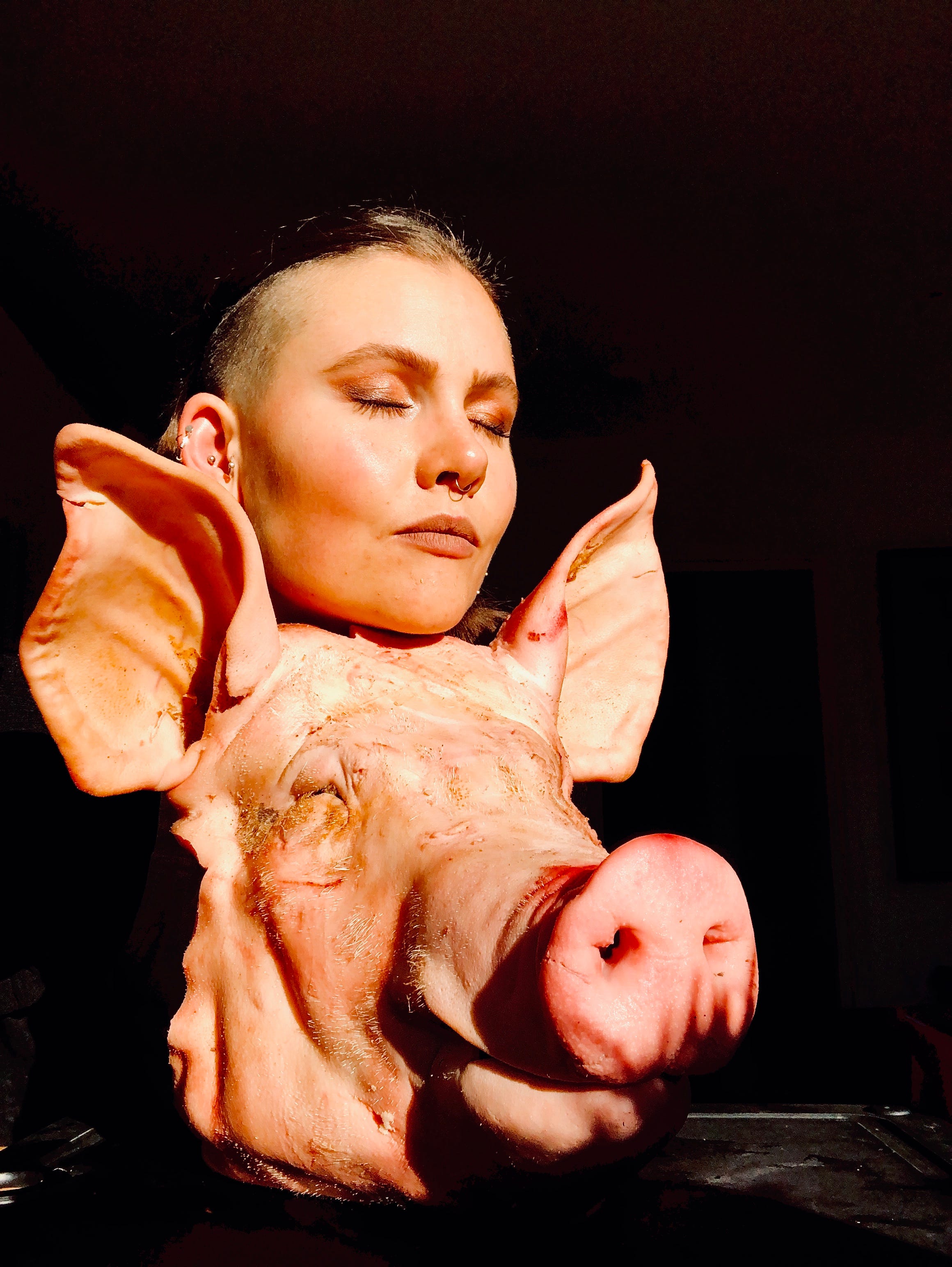
Flossy Phillips has a refreshingly uncomplicated relationship with offal. A stomach is a stomach. A heart is a heart. A kidney is a kidney. These are parts of an animal, but they are also parts of us.
That recognition sits at the centre of my conversation with Flossy for the latest episode of A Curious Appetite. She is a butcher, cook and the woman behind Floffal, and she has been cooking and eating offal since she was eleven. Her first encounter with liver was memorable precisely because she understood what it was. She knew that she had a liver too, and rather than being repelled by that correspondence, she found it fascinating.
It is a small distinction, but an important one. Much of modern eating depends on distance. We are perfectly capable of consuming highly processed foods whose origins are largely invisible to us, yet can become deeply uneasy when confronted with an organ whose biological purpose is immediately recognisable. Offal refuses that distance. A heart does not allow us to forget that there was once a heartbeat.
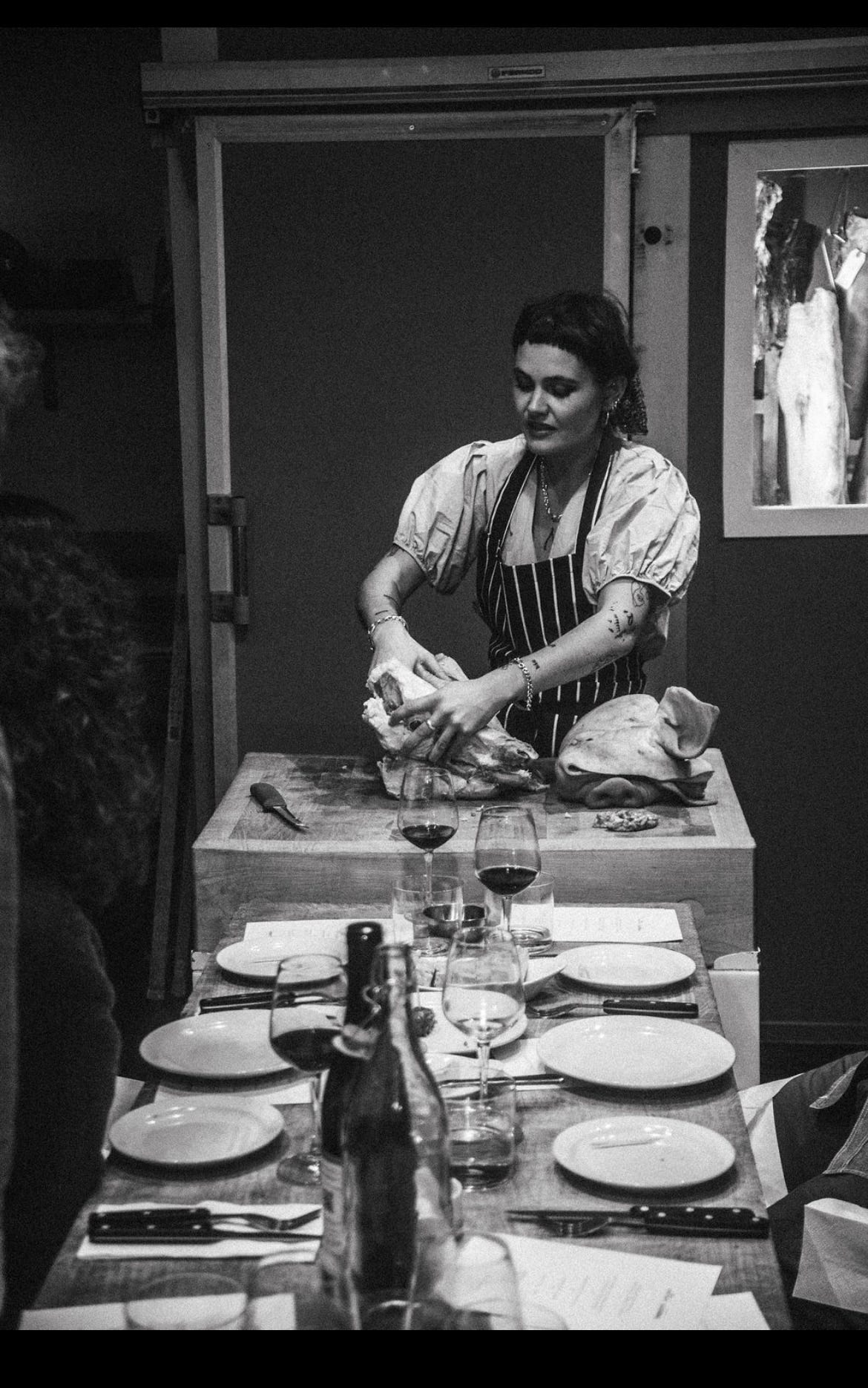
For Flossy, this is part of the attraction. Organs can become a kind of map of the animal that carried them. The condition of a liver, heart or carcass can reveal something about diet, welfare, stress and the life that preceded slaughter. She talks about this not with morbidity but with a striking sense of reverence. To handle an organ is to encounter a functioning part of a body that has become food.
That word, reverence, came up repeatedly in our conversation.
Flossy often photographs organs held in her hand. The gesture is deliberately closer to cradling than grabbing. Her aim is not shock for shock’s sake but intimacy: look at the colour, the shine, the form, the texture. She describes organs as almost jewel-like, objects in nature whose colours and surfaces would be difficult to reproduce convincingly in paint.
Perhaps her background in the art world makes that way of seeing unsurprising. Long before she became a butcher, she bought a Charming Baker print of a calf whose body is faintly divided into butcher’s cuts. Looking at it during our interview, I could not resist thinking of it as a kind of ghost cow, already announcing the direction her life would take.
Butchery, she argues, is itself a craft. It involves tools, raw material, learned knowledge and enormous amounts of muscle memory. The body of the butcher has to learn how to move around the body of the animal. Weight shifts, muscles develop and movements become instinctive. Her transition from art into butchery therefore feels less like a rejection of one world for another than a continuation of the same interest in colour, form, material and making. And then there is disgust.
Offal occupies a peculiar cultural position. It can be rejected as waste, associated with poverty or necessity, while simultaneously appearing in some of the most luxurious culinary settings. Liver and onions and chicken liver parfait may involve the same organ but carry very different social meanings.
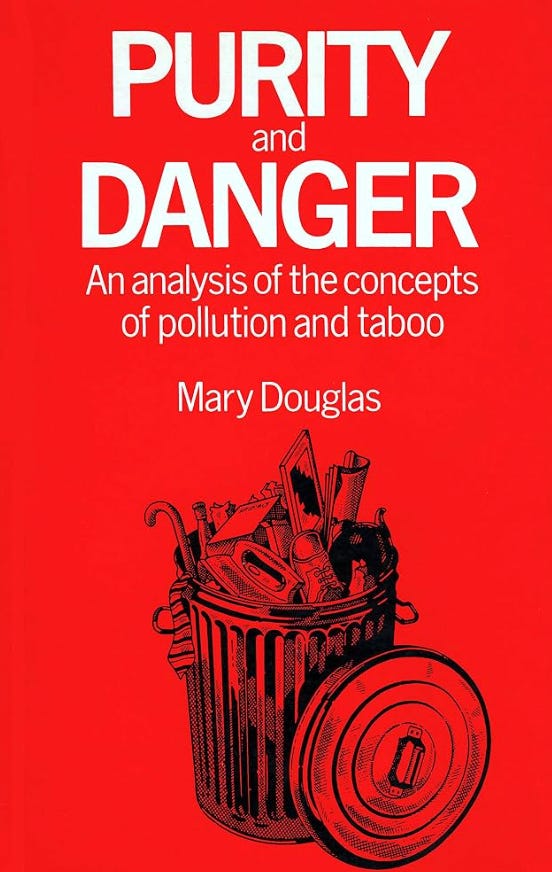
Mary Douglas’ work on pollution and classification inevitably came to mind during our conversation. Foods become uncomfortable when they disrupt categories, and few ingredients do this as effectively as organs. They are food, but they also remain conspicuously body. They are familiar and alien at once.
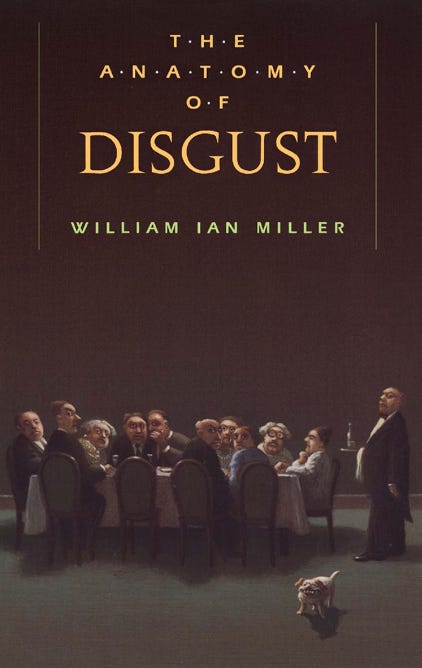
Flossy also pointed me towards Ian Miller’s The Anatomy of Disgust, particularly his distinction between sensory taste and cultural taste. What we find disgusting is never simply a matter of flavour. It accumulates meanings around class, status, bodies and mortality.
Historically, we have sometimes tried to disguise precisely what offal is. Looking through early cookery books such as Hannah Glasse’s The Art of Cookery Made Plain and Easy, I am fascinated by recipes in which calves’ feet, giblets and heads disappear beneath pastry or become incorporated into larger dishes. More recently, however, I wonder whether we are beginning to look at the naked organ again. Flossy certainly asks us to.
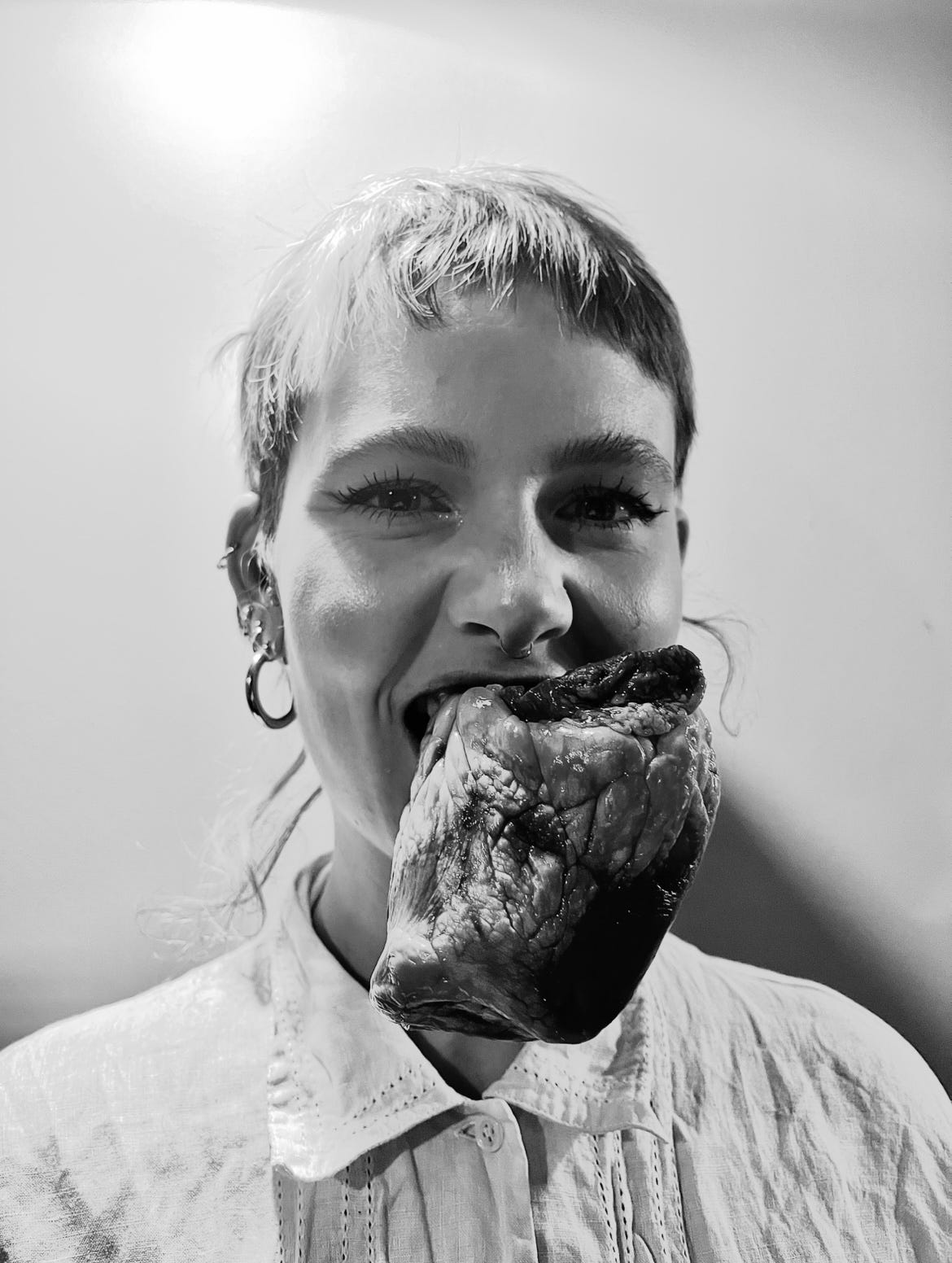
And then, of course, there is tripe.
“I really get invested in the texture of tripe,” she tells me. She loves what she calls the visceral experience of eating it. At one point she recounts taking a pot of leftover tripe to the cricket at The Oval because she was slightly hungover and it was exactly what she wanted to eat. I think this may be my favourite image from the entire conversation. Because underneath all the theory, mortality, disgust and symbolism, there is also appetite. Sometimes a stomach is a reminder of death. And sometimes it is simply lunch.
You can hear the full conversation with Flossy in the latest episode of A Curious Appetite. For the longer accompanying article, head to GUTS magazine on Substack.
Useful links
- Charming Baker
- Alessandra Pino, Dark Food
- Gelsey Kirkland, Dancing on My Grave
- Mary Douglas, Purity and Danger (1966), including her work on pollution
- Sidney Mintz, Sweetness and Power (1985), particularly the separation and distance between sites of production and consumption
- Ian Miller, The Anatomy of Disgust (1998)
- Hannah Glasse, The Art of Cookery Made Plain and Easy (1747)
- Claude Lévi-Strauss, The Culinary Triangle (1966)
- Diego Velázquez, Las Meninas
- Christopher Nolan, The Odyssey (2026)
- Alessandra Pino and Ella Buchan, A Gothic Cookbook (2026)
- Kate Ryan, Blood, Guts and Black Pudding (2026), referred to during the discussion about blood, abattoirs and food safety
- Polentina
- St. JOHN
- Camille
- Bouchon Racine
- Future Food Week, Vienna
Credits
Contact: acuriousappetite@gmail.com
Artwork: @medusazzz
Audio Production: @thedeliciouslegacy
Music: @manu_pino_1111