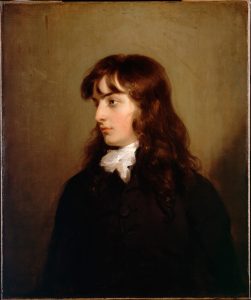
In August 1825, a fifty-four-year-old musician climbed into a coach and set out across England. By the time he returned home, he had attended the York Minster Festival, stayed at Newstead Abbey, dined with aristocrats, complained about pillows, criticised badly cooked eels, and narrowly survived a practical joke involving a rooster hidden above his bed.
His name was William Linley.
Today, Linley is largely forgotten. Yet his unpublished travel journal, Summer Rambles in 1825, recently transcribed by Dr Sam Hirst, offers one of the most vivid and entertaining accounts of Regency travel I have encountered. It is a document filled with music, food, gossip, hospitality, and wonderfully sharp observations about the people he meets.
As Dr Hirst mentioned when discussing the manuscript on A Curious Appetite, Linley is a delightful travelling companion: observant, opinionated, frequently amused, and never shy about recording his displeasure when things fall short of expectations.
A Literary Pilgrimage to Byron’s Newstead
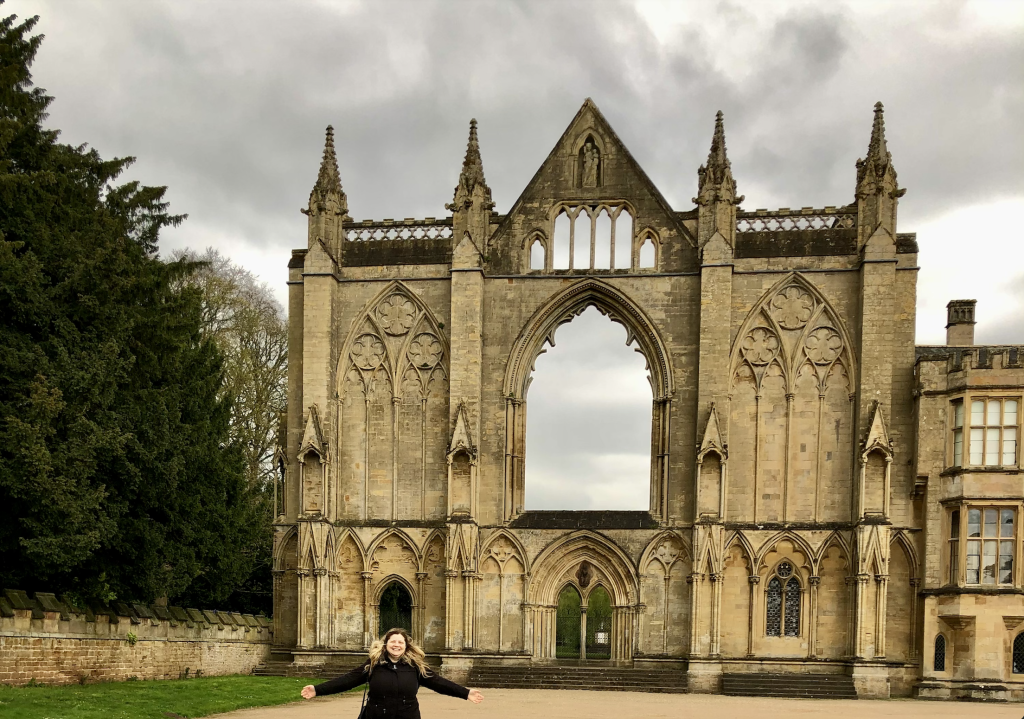
One of the most fascinating sections of the journal concerns Linley’s visit to Newstead Abbey.
The timing is extraordinary. Byron had died only the previous year, in 1824. When Linley arrives at Newstead in August 1825, he encounters an estate already acquiring the status of a literary shrine. The Abbey had recently been purchased by Colonel Thomas Wildman, Byron’s former school friend, who was transforming the once-ruinous property into a magnificent residence.
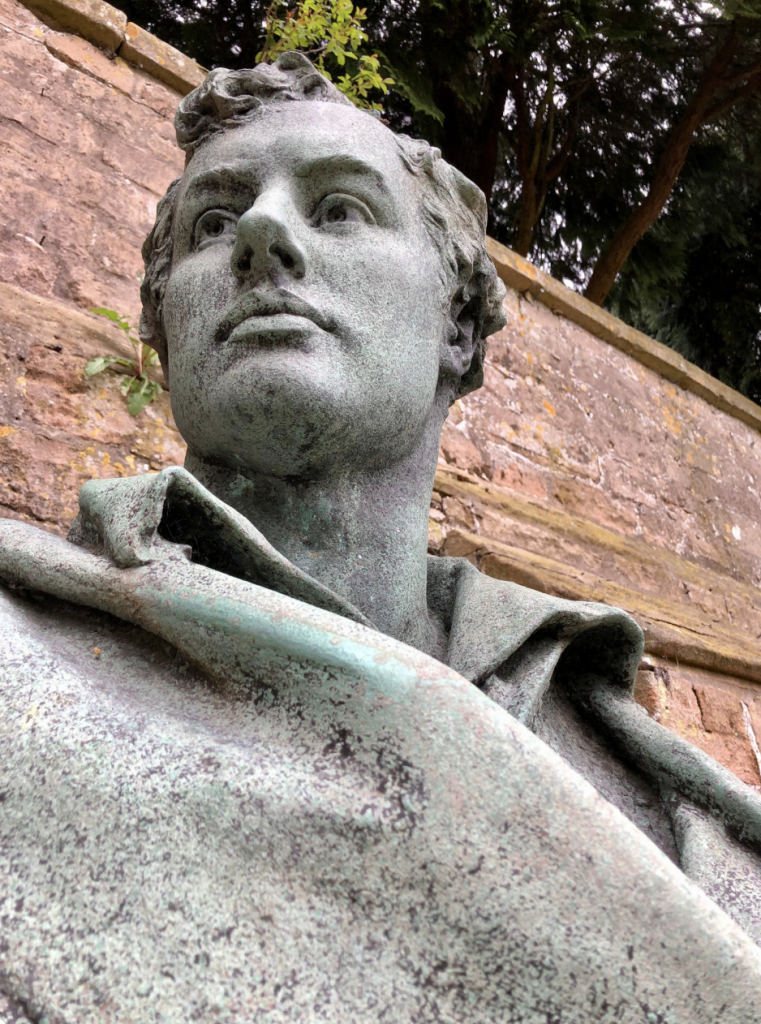
Linley marvels at the restoration, describing Newstead as destined to become “one of the most magnificent & interesting Seats in England.”
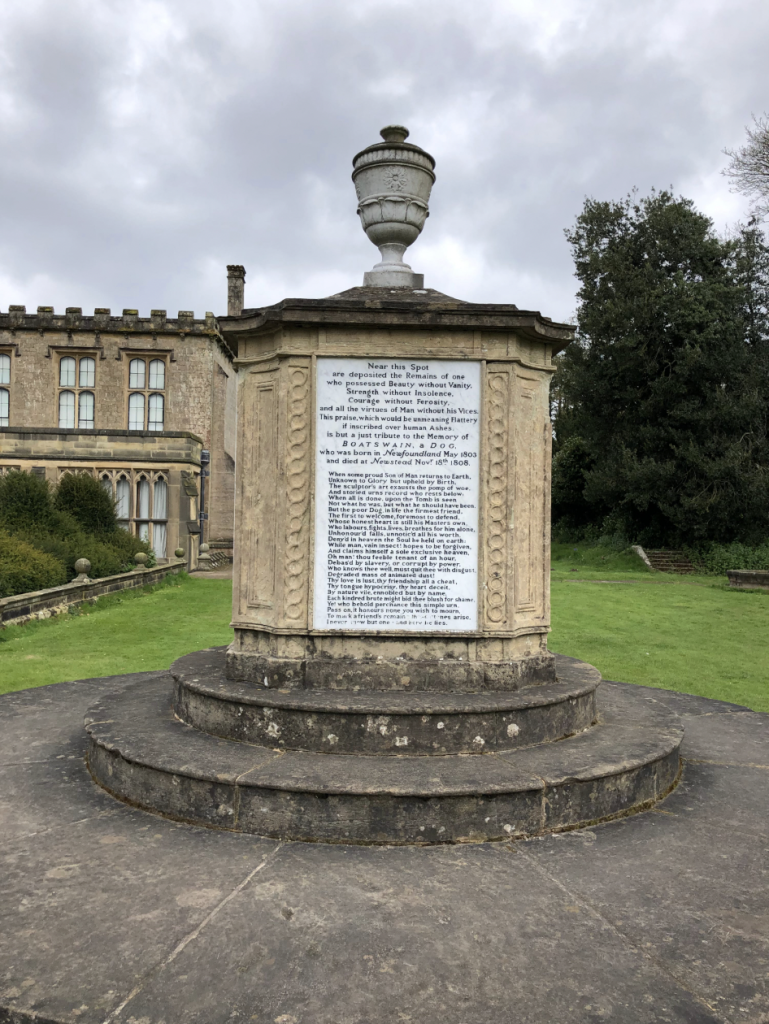
Yet Byron’s presence lingers everywhere. Linley records Boatswain’s monument, reflects on Don Juan, comments on Byron’s memorials, and repeatedly encounters reminders of the poet’s life. The Abbey itself seems suspended between memory and reinvention.
The inscription reads:
Near this Spot
are deposited the Remains of one
who possessed Beauty without Vanity,
Strength without Insolence,
Courage without Ferocity,
and all the virtues of Man without his Vices.
This praise, which would be unmeaning Flattery
if inscribed over human Ashes,
is but a just tribute to the Memory of
BOATSWAIN, a DOG,
who was born in Newfoundland May 1803
and died at Newstead Novr. 18th 1808.
The Duke of Sussex and the Rooster Incident
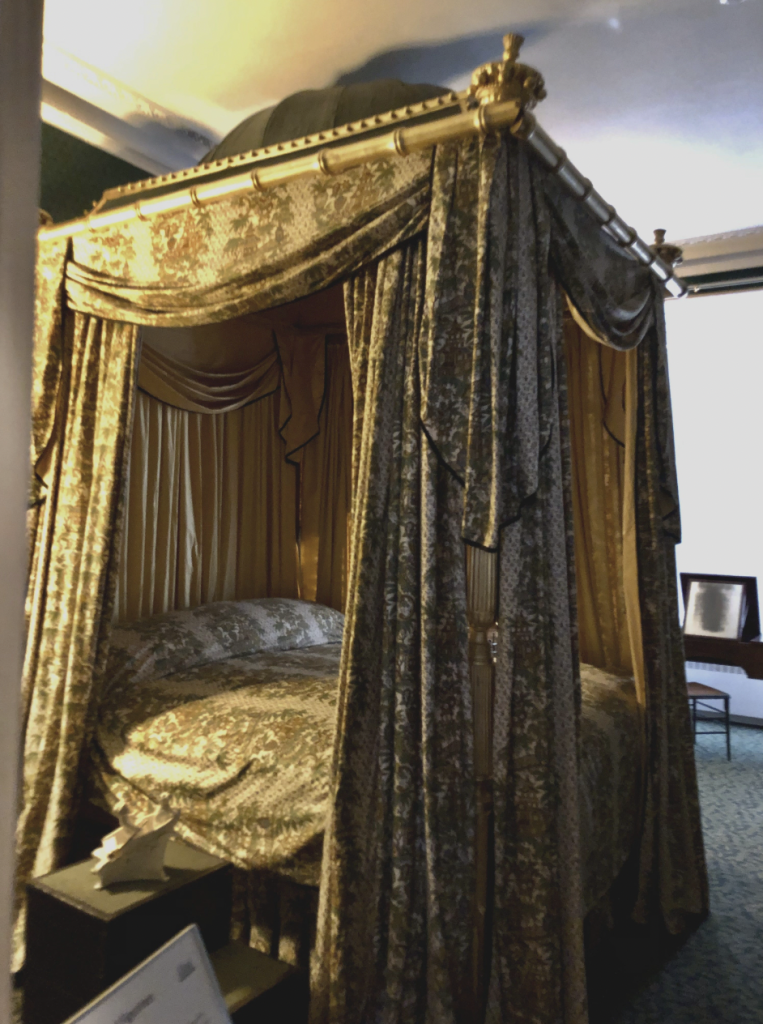
Bedchamber at Newstead Abbey. During his visit in 1825, William Linley became the victim of a practical joke involving a rooster placed on top of his bedstead. Photograph by Alessandra Pino.
The most memorable episode from Linley’s stay concerns the Duke of Sussex.
After an evening of excellent wine, conversation, and hospitality, Linley retires to bed. During the night, however, he is awakened by an unexpected guest.
Unknown to him, the Duke had arranged for a rooster to be placed on top of his bedstead.
At three o’clock in the morning, the bird erupted into life:
“He commenced a Chanticleer that must have been heard in every Cell in the Abbey.”
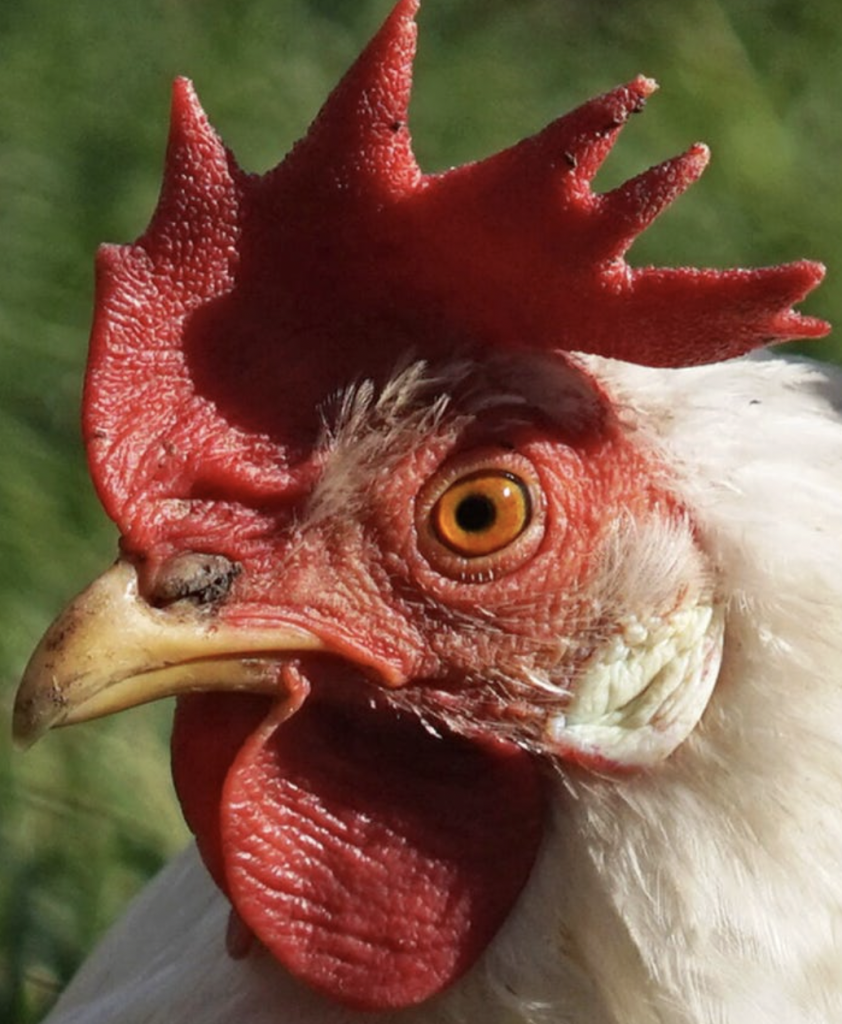
A rooster. Linley’s peaceful night at Newstead Abbey came to an abrupt end when a bird placed above his bedstead erupted into song at three o’clock in the morning. Image: Wikimedia Commons.
The resulting chaos delighted the Duke and mortified Linley, who was forced to dislodge the bird while enduring what he described as “a most tremendous Cackling and Screeching.”
Had Byron witnessed the episode, he would probably have enjoyed it immensely. He might, however, have preferred peacocks. Newstead Abbey was famous for its peafowl, which wandered freely through the grounds and became part of the estate’s distinctive character.
Visitors frequently remarked upon them, their cries echoing across the gardens and ruins. Byron himself was fond of unusual animals and maintained an assortment of pets throughout his life, but the peacocks seem particularly suited to the theatrical atmosphere of Newstead. With their extravagant plumage, piercing calls, and tendency to appear unexpectedly among the Abbey’s Gothic ruins, they felt almost like living ornaments in a landscape already rich with drama, spectacle, and legend.
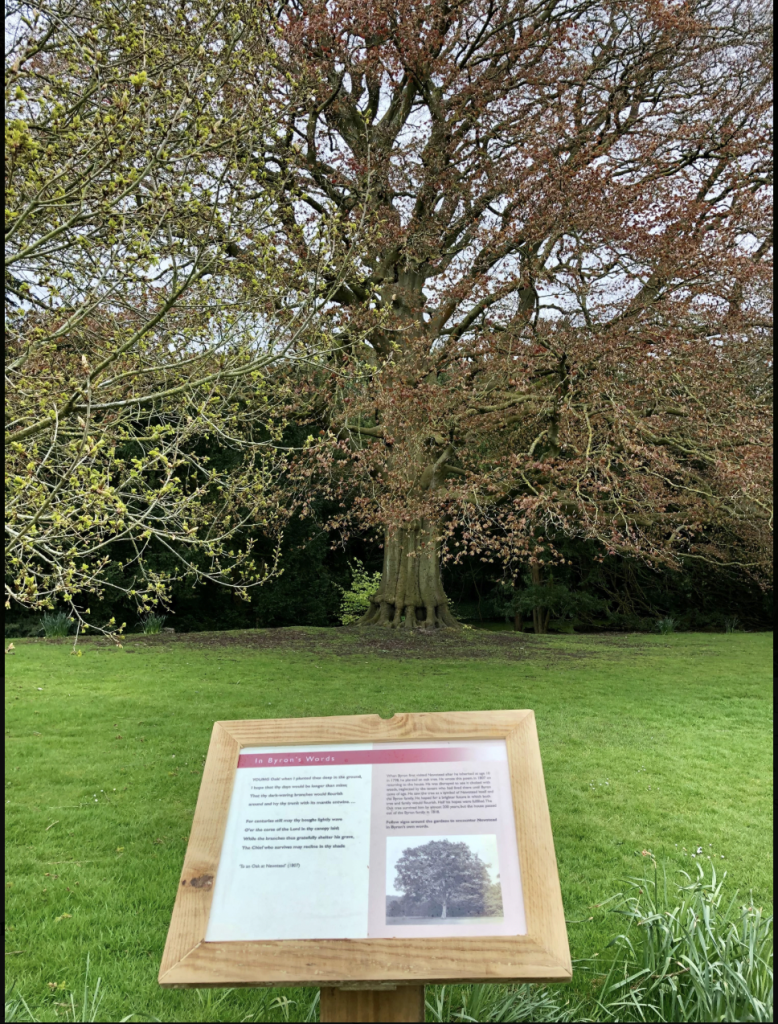
Singing for Supper
Linley occupied a fascinating social position.
The son of the composer Thomas Linley and connected to Richard Brinsley Sheridan through family ties, he moved comfortably through aristocratic circles while never quite belonging to them. He was neither servant nor nobleman, neither professional musician nor landed gentleman. Instead, he inhabited one of those curious social spaces that flourished in Regency Britain.
As Dr Hirst remarked during our conversation, Linley appears to spend much of the journey quite literally “singing for his supper.” He is invited to country houses, performs music after dinner, joins family entertainments, and repays hospitality with conversation and song.
Music accompanies him everywhere. At Newstead there are evening sing-songs around the piano. At Woolley Park he spends evenings performing on the organ. At York he immerses himself in one of the most celebrated musical events of the century.
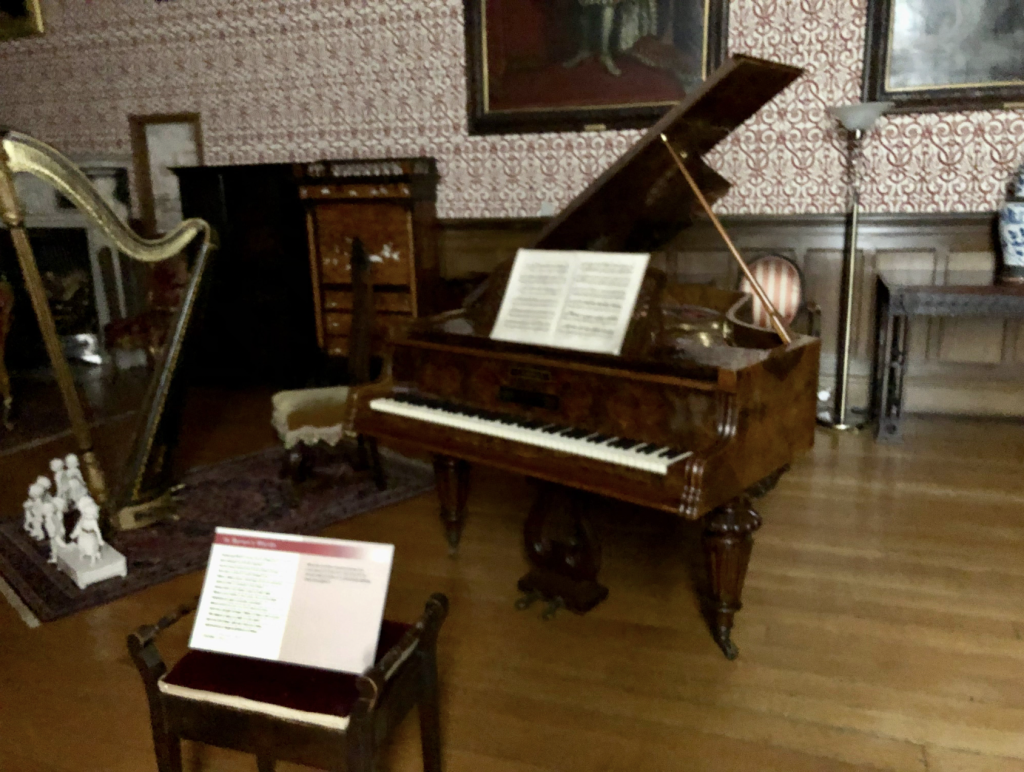
An interpretive panel, visible on the stool in front of the piano, created by Dr Hirst and displaying selected extracts from Byron’s writings at Newstead Abbey. Similar panels appear throughout the house and grounds, allowing visitors to encounter Byron’s words in the spaces most closely associated with his life and legacy. Photograph by Alessandra Pino.
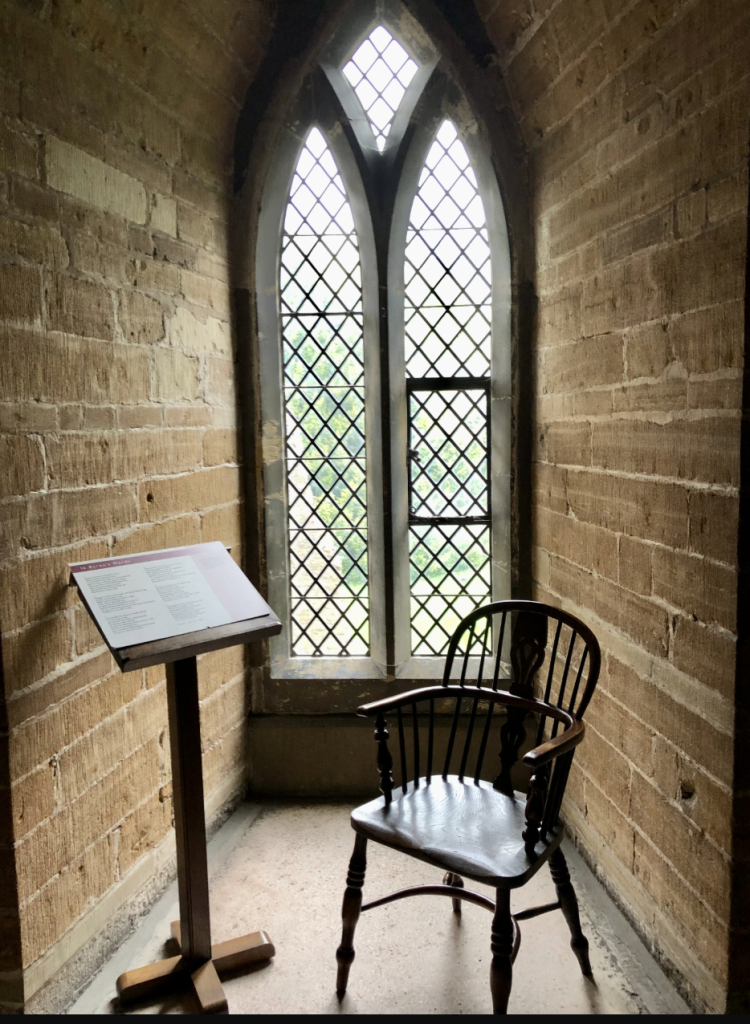
The Food Historian’s Linley
For me, one of the great pleasures of the journal is the way food appears throughout it.
Linley is not writing a cookbook. Nor is he consciously documenting food culture. Yet meals punctuate every stage of the journey. He records breakfasts, dinners, suppers, wine, champagne, beef, onions, fish, bread, and the endless practical realities of eating while travelling.
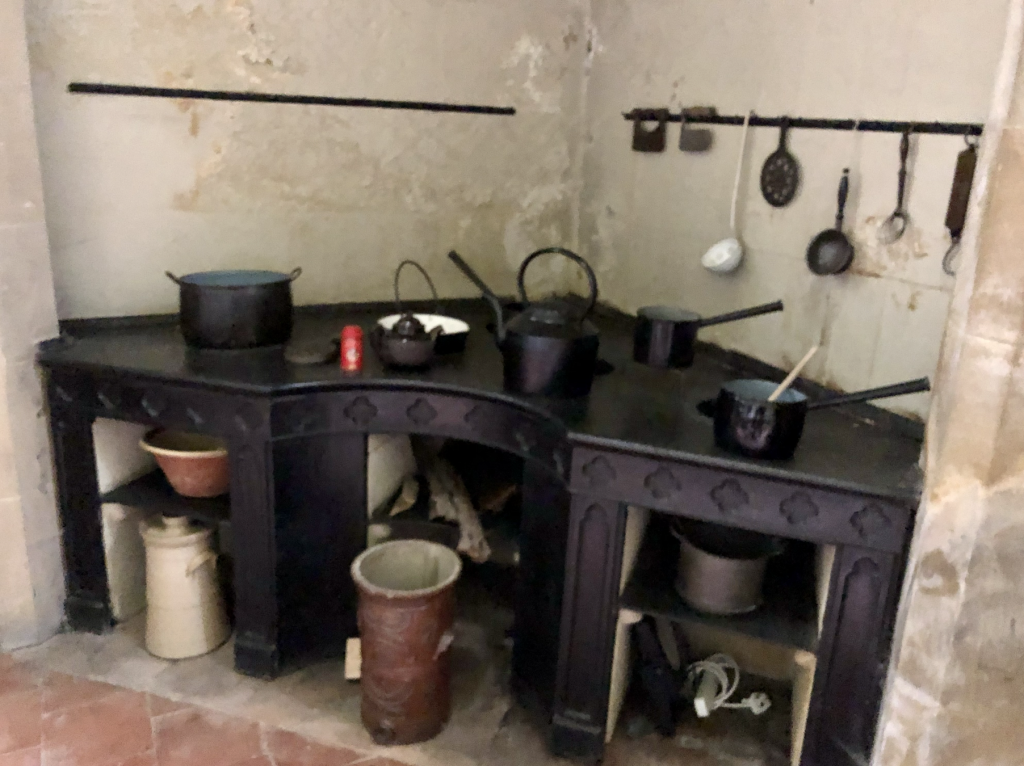
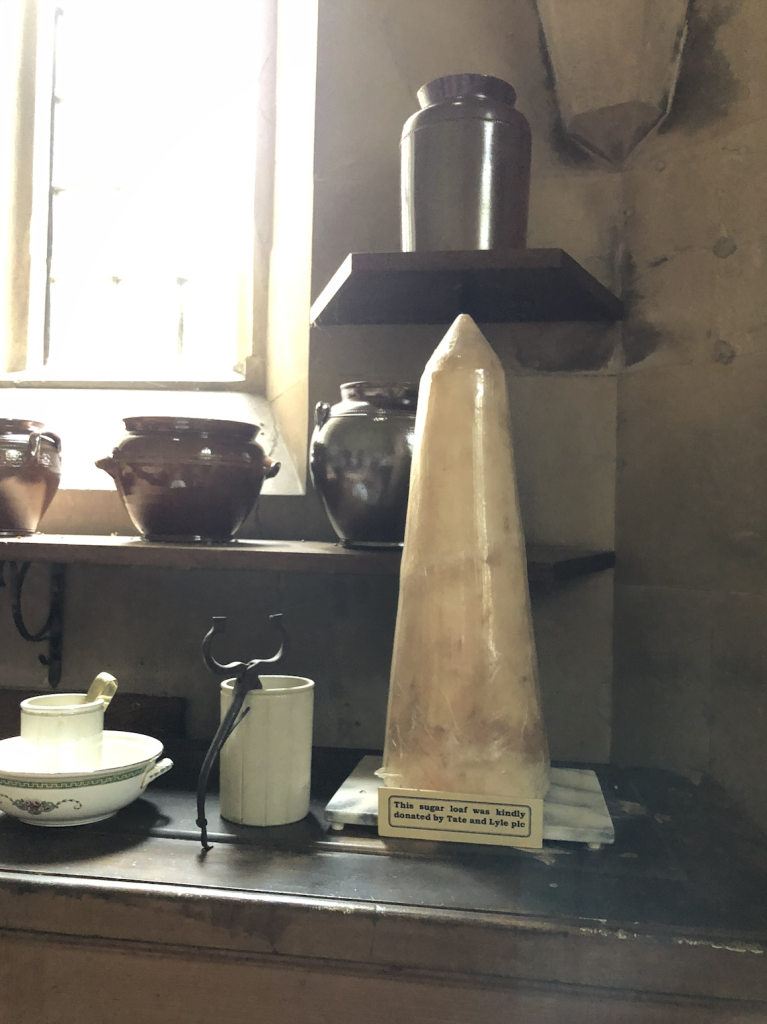
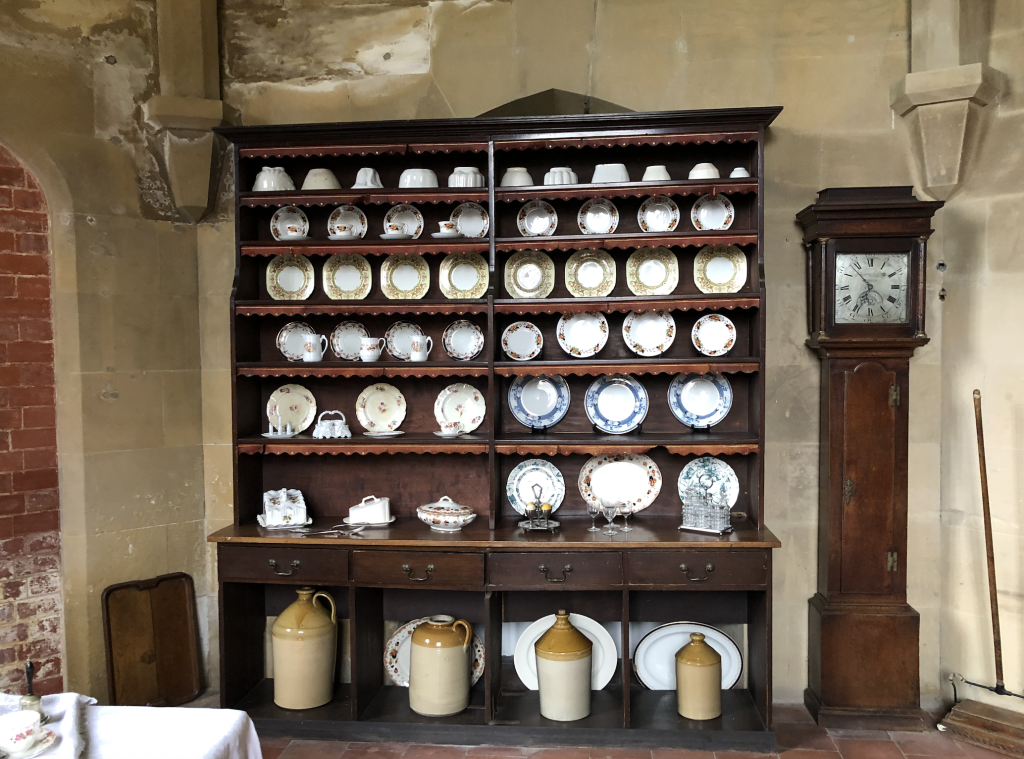
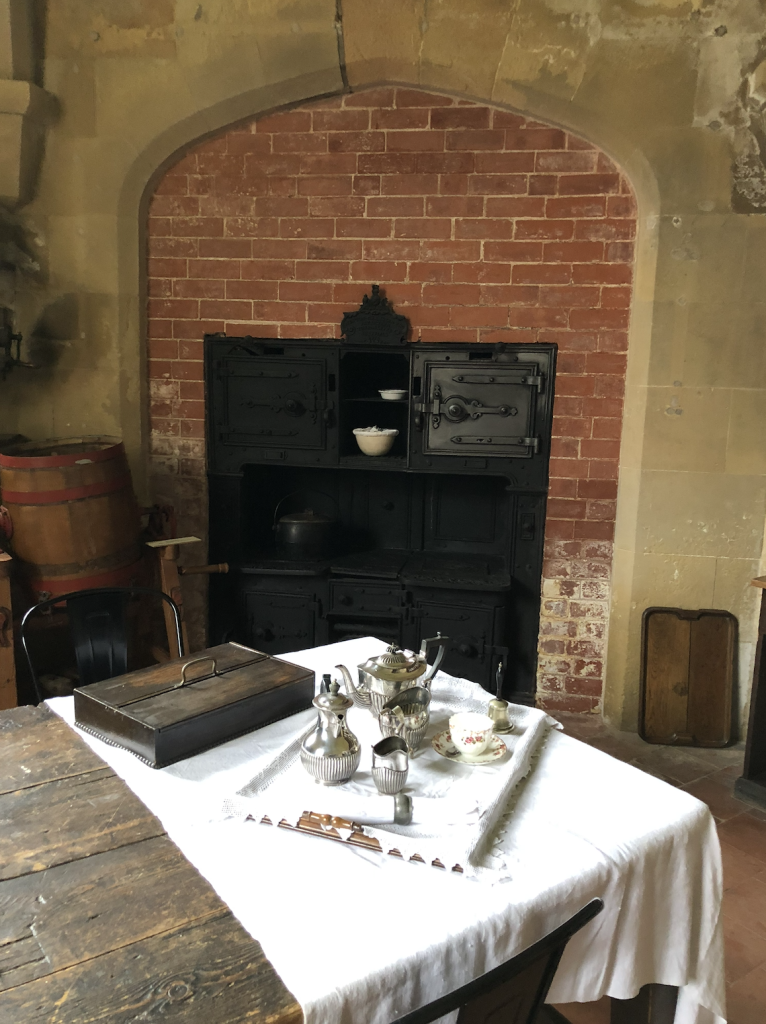
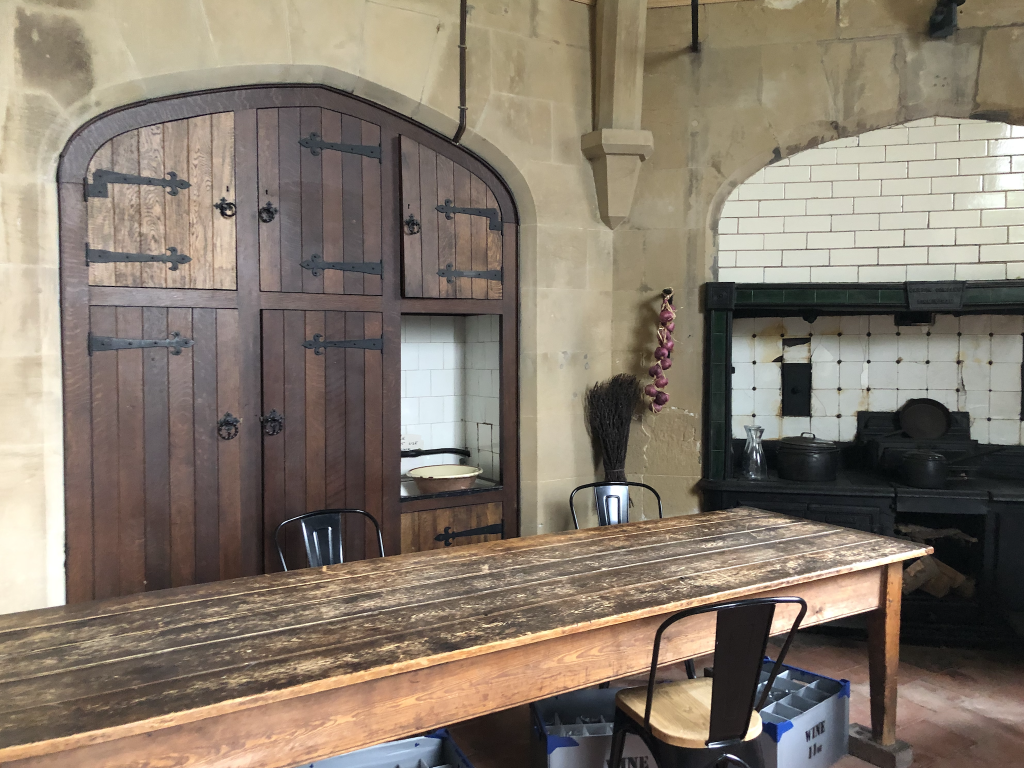
Cooking range and kitchen equipment at Newstead Abbey. Photograph by Alessandra Pino.Readers interested in Regency food history will find plenty to enjoy here. In fact, I suspect that Regency cook and food historian Paul Couchman will appreciate Linley’s wonderfully candid observations. I have long been an admirer of Paul’s work and first became interested in Regency cookery through his classes and demonstrations, which opened up a world of Regency dining beyond the pages of Austen and Byron. Linley’s journal offers exactly the kind of everyday detail that helps bring the Regency period to life. He records coaching-inn dinners, complaints about bread, observations on hospitality, delayed fish deliveries, and the practical realities of eating while travelling. These passing remarks provide valuable insights into food culture and reveal how meals shaped the rhythms of daily experience.
His observations are particularly entertaining because he rarely misses an opportunity to complain. Arriving in Brighton, he immediately notices the absence of finger glasses and finds fault with the dining arrangements of his boarding house. At Newstead Abbey he grumbles about stale bread and lukewarm dishes. Throughout the journal he comments on the quality of meals, the reliability of suppliers, and the standards of hospitality he encounters along the way.
One of my favourite moments comes towards the end of the journey when he records:
“Enjoyed a cold fowl & ham but could have dispensed with badly dressed Eels.”
The line captures Linley at his most characteristic. Even after a satisfactory meal, there remains something to critique. His journal is filled with these small judgements, which make him feel less like a distant historical figure and more like a travelling companion whose opinions accompany us from one stop to the next.
Hospitality as Performance
The journal also reminds us that Regency hospitality operated as a form of social performance. At Newstead Abbey, dinners flowed seamlessly into music, card games, wine, conversation, and practical jokes, creating an atmosphere in which guests were entertained as much by company as by surroundings. Hospitality depended upon the experience offered to visitors, the ease of conversation, the generosity of the table, and the character of the host. Linley repeatedly expresses admiration for Colonel Wildman, describing him as “a kind & hospitable little Man, and a complete Gentleman.” It is among the warmest compliments he bestows on anyone in the manuscript and suggests the qualities he valued most. The grandeur of Newstead undoubtedly impressed him, yet the warmth of its welcome appears to have left the deeper impression.
York Minster and Musical Ecstasy
If Newstead belongs to Byron, York belongs to Handel.
Linley’s account of the York Minster Festival is among the most moving sections of the journal. Surrounded by thousands of listeners and hundreds of performers, he describes the opening chorus with extraordinary emotion.
When Handel’s Gloria Patri began, he wrote:
“I was nearly overpowered.”
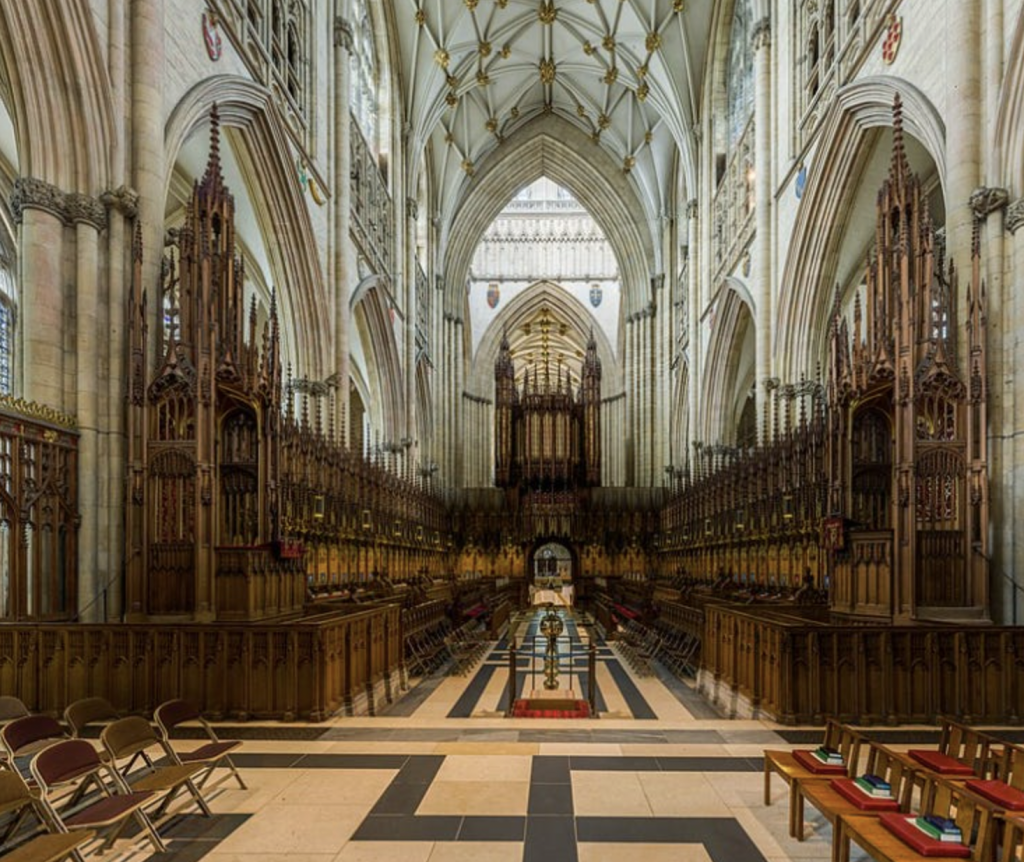
Then comes one of the most beautiful lines in the entire manuscript:
“I felt, as I lifted my eyes to the magnificent roof above me as if the whole scene was dissolving into Air and soaring to Heaven! I shall never forget the Sensation!”
For all his complaints about pillows, fish, and eels, moments like this reveal another side of Linley: a man capable of genuine wonder.
Through Linley’s Eyes
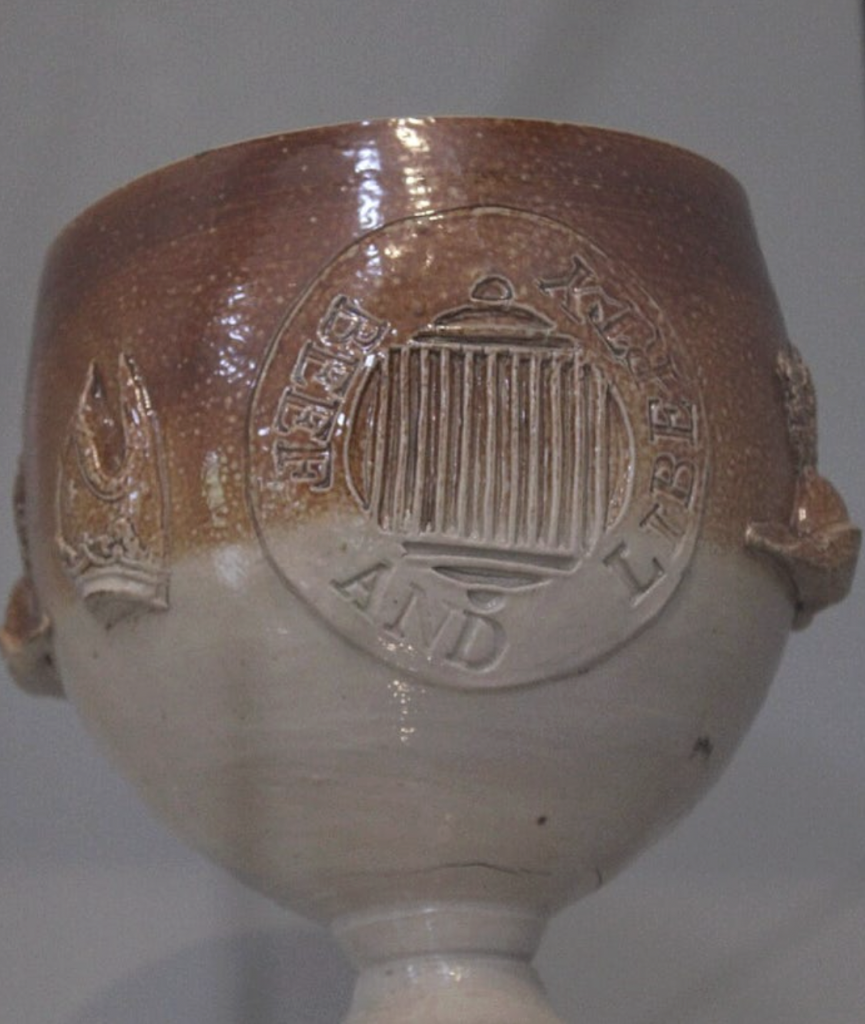
Apologies if I bring you back to food but, as regular readers will know, I can never resist following the trail of a good meal. One clue to the world Linley inhabited comes through the Sublime Society of Beefsteaks. The name sounds almost comic today, yet the club occupied an important place in London’s social life. Members gathered to eat beef, drink wine, exchange news, and cultivate connections. Beef carried strong associations with English identity, patriotism, and prosperity, giving the society a significance that extended beyond the dinner table. Dr Hirst notes that Linley, Colonel Wildman, and the Duke all shared connections through the Beefsteaks. Their membership reveals how dining clubs helped bind together musicians, aristocrats, politicians, and military figures. Food served as a social language through which relationships were established, maintained, and strengthened.
What makes Summer Rambles in 1825 so compelling is that Linley had no intention of writing history. He was simply recording what he saw, whom he met, what he ate, and the impressions he gathered along the way. Precisely because of this, the journal preserves details that might otherwise have been forgotten.
As a result, we encounter Regency England not through grand political events but through dinners, conversations, practical jokes, music, inns, friendships, and small irritations. We meet Byron’s world in the process of becoming memory. We see Newstead Abbey transitioning from private residence to literary landmark. We witness hospitality, sociability, and travel as they were experienced by one observant and frequently exasperated traveller.
And through it all, Linley leaves us with a simple reminder.
A pickled onion, a glass of wine, a badly dressed eel, a rooster hidden above a bedstead. These are the details that survive in his pages. Together they reveal a world of travel, friendship, hospitality, curiosity, and everyday experience that rarely finds its way into official records.
Extract: A Beefsteak, a Pickled Onion, and the Road Home- William Linley in York, 1825
The extract below was written in September 1825 as Linley prepared to leave York following the celebrated York Minster Festival. After days spent listening to Handel in the Minster, attending concerts, and socialising with fellow visitors, he sat down to a meal at the Black Swan before beginning the long coach journey back to London.
The menu is striking in its simplicity: beefsteak, potatoes, a pickled onion, and a pint of stout. Yet these few details tell us a great deal about Regency travel and dining culture. Beefsteak occupied a special place in the British imagination, associated with ideas of national identity, prosperity, and hearty nourishment. Combined with potatoes, pickles, and stout, it offered the kind of sustaining meal a traveller might seek before embarking on a journey of more than 200 miles.
I am extremely grateful to Dr Sam Hirst, who kindly shared this unpublished transcription from a project funded by the John Murray Foundation and generously gave permission for this extract to be reproduced here. My thanks also go to the Newstead Abbey Archives for their assistance.
19th September 1825
After a 3 o’clock dinner at the Black Swan, which consisted simply of a very excellent beefsteak, potatoes, & a pickle’d Onion, accompanied by a very fair pint of the “Stout Lusitanian” – I paid the People and at 5 P.M. took my seat in the High Flyer under no very agreeable Anticipations of Comfort and good Cheer during a journey with little, or no stopping of 200 miles.
20th
The first place we stopped at in our progress, was Doncaster, to supper, and were ushered into a room full of half drunken Black Legs, in high betting debate upon the St Ledger to be run for the following day.
We breakfasted this morning at Stamford, dined at Biggleswade, and proceeded thro’ Hertford – Cheshunt, Edmonton to London arriving at the White Hart Fetter Lane at 8 o’clock P M. I took a comfortable dish of tea at the Gray’s Inn Coffee House and felt more of stiffness in my Joints, than fatigue, and it is curious that when I retired to bed it was near an hour before I could get to Sleep.
What I love about this passage is its ordinariness. There are no aristocratic banquets, no elaborate French dishes, and no grand culinary revelations. Instead, Linley records the kind of meal that thousands of travellers must have eaten in coaching inns across Britain. Yet it is precisely these everyday details that bring the Regency world closest to us. Across two centuries, the combination of a good dinner before a long journey, a disappointing night’s sleep, and a stiff arrival home feels remarkably familiar
Accessing the Correspondence
At present, Summer Rambles in 1825 is not widely available. However, readers interested in learning more about the journal, its transcription, or the wider project are warmly encouraged to contact Dr Sam Hirst directly at sam@romancingthegothic.com.
Dr Hirst’s meticulous transcription and annotation of the manuscript has helped illuminate a remarkable world of music, travel, hospitality, and everyday life in Regency Britain. Through Linley’s observations we encounter not only Lord Byron’s Newstead Abbey and the celebrated York Musical Festival, but also the meals, friendships, practical jokes, and moments of wonder that animated the period.
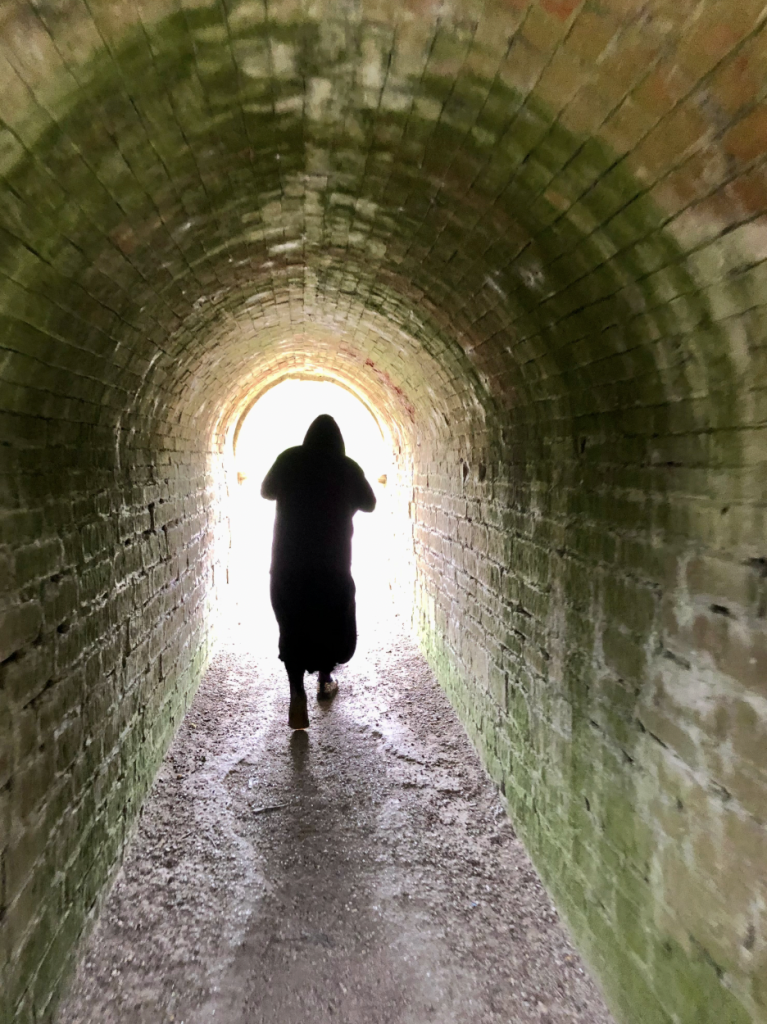
Sam Hirst on a pathway through the grounds of Newstead Abbey. Like the stories and memories attached to the estate, some routes reveal themselves only gradually. Photograph by Alessandra Pino.
This article was inspired by my conversation with Dr Sam Hirst on A Curious Appetite and by their work bringing Linley’s extraordinary journal to a wider audience. If you are interested in the Gothic find out more about Dr Hirst’s classes here: Romancing the Gothic.
For those who find the name Biggleswade familiar, you may be thinking of Weird in the Wade by Natalie Doig. While Linley’s brief stop in the Bedfordshire market town involved little more than a Regency coaching-house dinner, modern listeners will know it as the setting for Natalie’s spooky podcast, which explores folklore, ghost stories, local history, and the stranger corners of the English landscape. Got a food mystery, curious tradition, Gothic feast, or unusual culinary story you think I’d love? Drop me a line at ACuriousAppetite@gmail.com. You never know what might end up in a future episode.