From Bridgerton to Tudor feasts: meet the artists creating fake cakes and food that lasts forever.
Can a cake last forever? What happens when food looks so real that we want to eat it, yet is made from entirely inedible materials? In the latest episode of A Curious Appetite, I speak to the extraordinary artists behind Replica Ltd about food history, craftsmanship, preservation and the curious relationship between appetite and illusion.https://open.spotify.com/embed/episode/6lqfdxyVyaO8UUFXsxHXuO
Imagine a beautiful cake that never goes stale, a cup of tea that can never be drunk, or an elaborate banquet that will remain exactly as it is for decades. Isn’t there something wonderful, and perhaps a little unsettling, about food that looks perfectly edible yet exists entirely beyond the ordinary processes of consumption and decay?
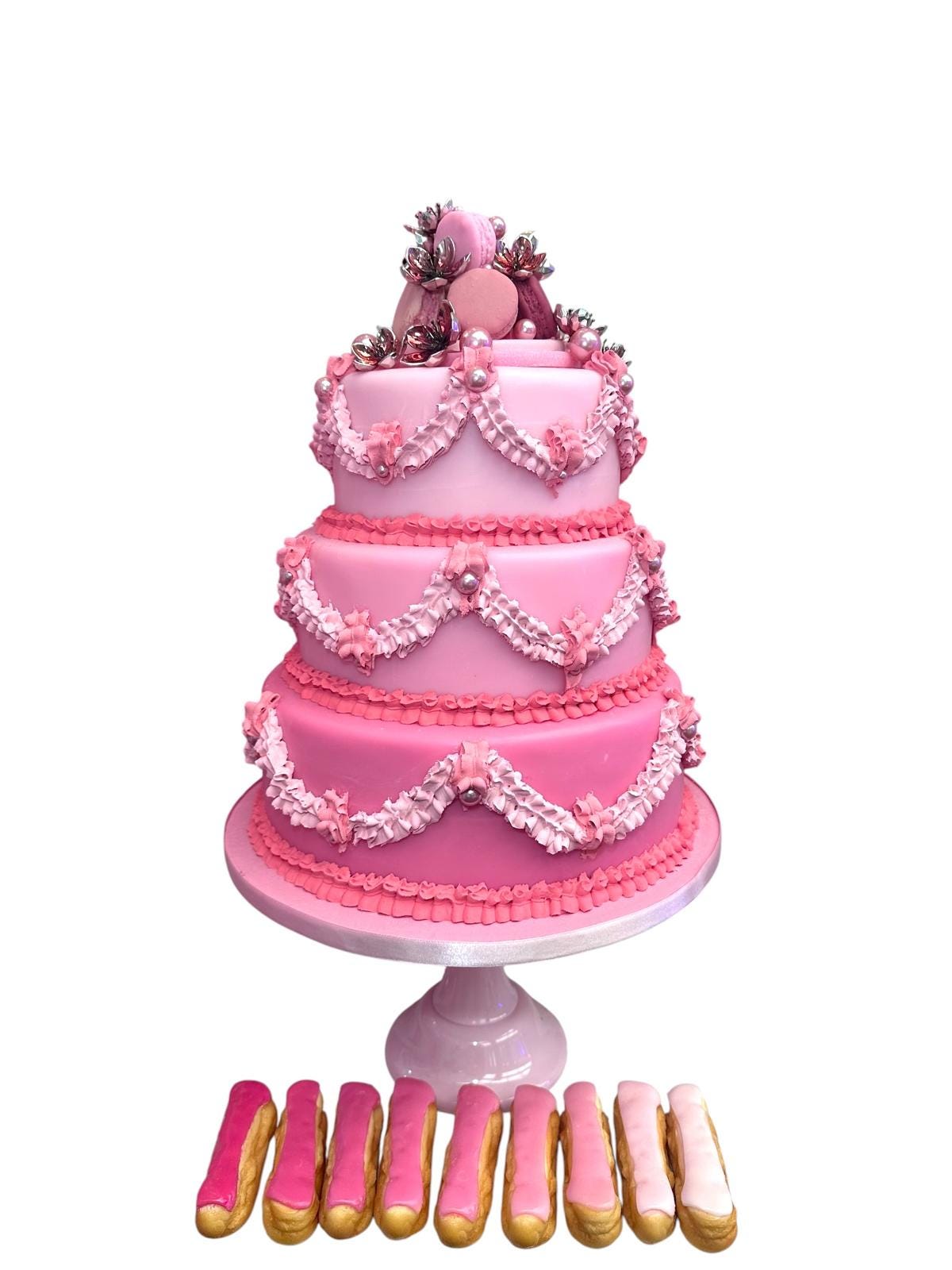
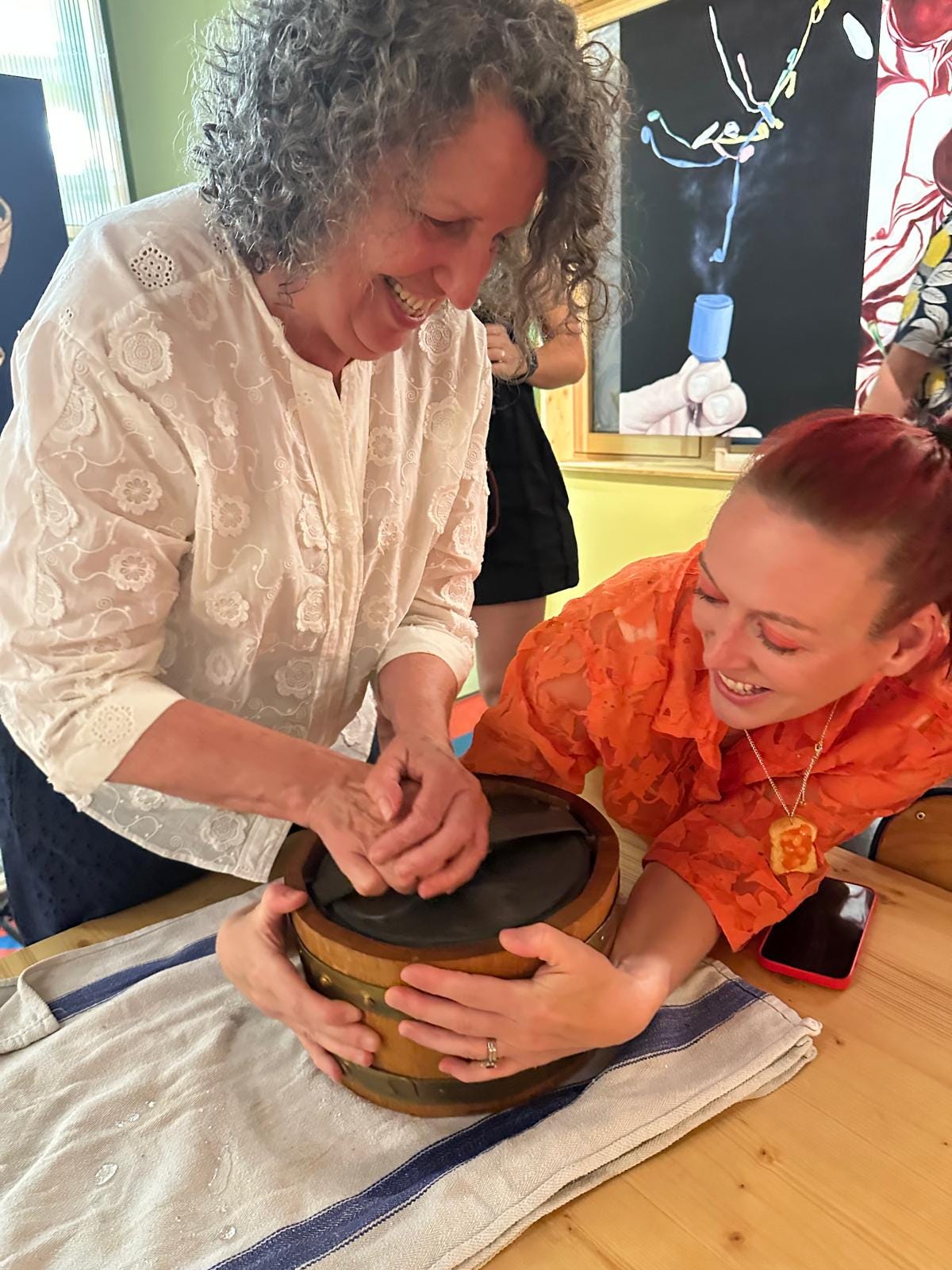
For the latest episode of A Curious Appetite, I was joined by Loraine Senior (also known as Loraine Krell) and Christina Mellett-Smith of Replica Ltd, a company specialising in creating astonishingly realistic artificial food for museums, historic houses, film, television and other settings.
Their work is a fascinating combination of food history, artistic craftsmanship and scientific experimentation, and our conversation took us from Japanese food displays to Tudor banquets, elaborate nineteenth-century confectionery and the unexpectedly Gothic possibilities of food that never decomposes.
A curious history of artificial food
Loraine began creating replicas in the 1980s, initially working across a variety of objects before discovering the Japanese tradition of realistic food models. In Japan, artificial food displays have long been associated with restaurants, allowing customers to see remarkably accurate representations of the dishes available before ordering. These objects communicate through appearance, overcoming language barriers and offering an immediate visual understanding of what is being served. Our conversation also touched on the relationship between food replicas and commemorative practices, including the idea of making offerings that could endure beyond the lifespan of actual food.
Christina’s arrival at Replica was equally interesting. She initially encountered the company as a customer, was so impressed by the quality of the work that she joined the workshop for what was supposed to be just two weeks, and ended up staying for over fourteen years.
It is easy to understand why. Their projects are extraordinarily varied, and every commission seems to present a new historical or artistic puzzle.
Recreating food history
As a food historian, I was particularly interested in how Loraine and Christina approach the reconstruction of dishes that may no longer exist.
Food is one of the most difficult aspects of material culture to preserve. It is prepared, cooked, consumed, discarded and eventually decomposes. Much of what we know about historical food comes from written recipes, paintings, descriptions, surviving utensils and the occasional extraordinary archaeological discovery.Replica works with precisely these kinds of sources.
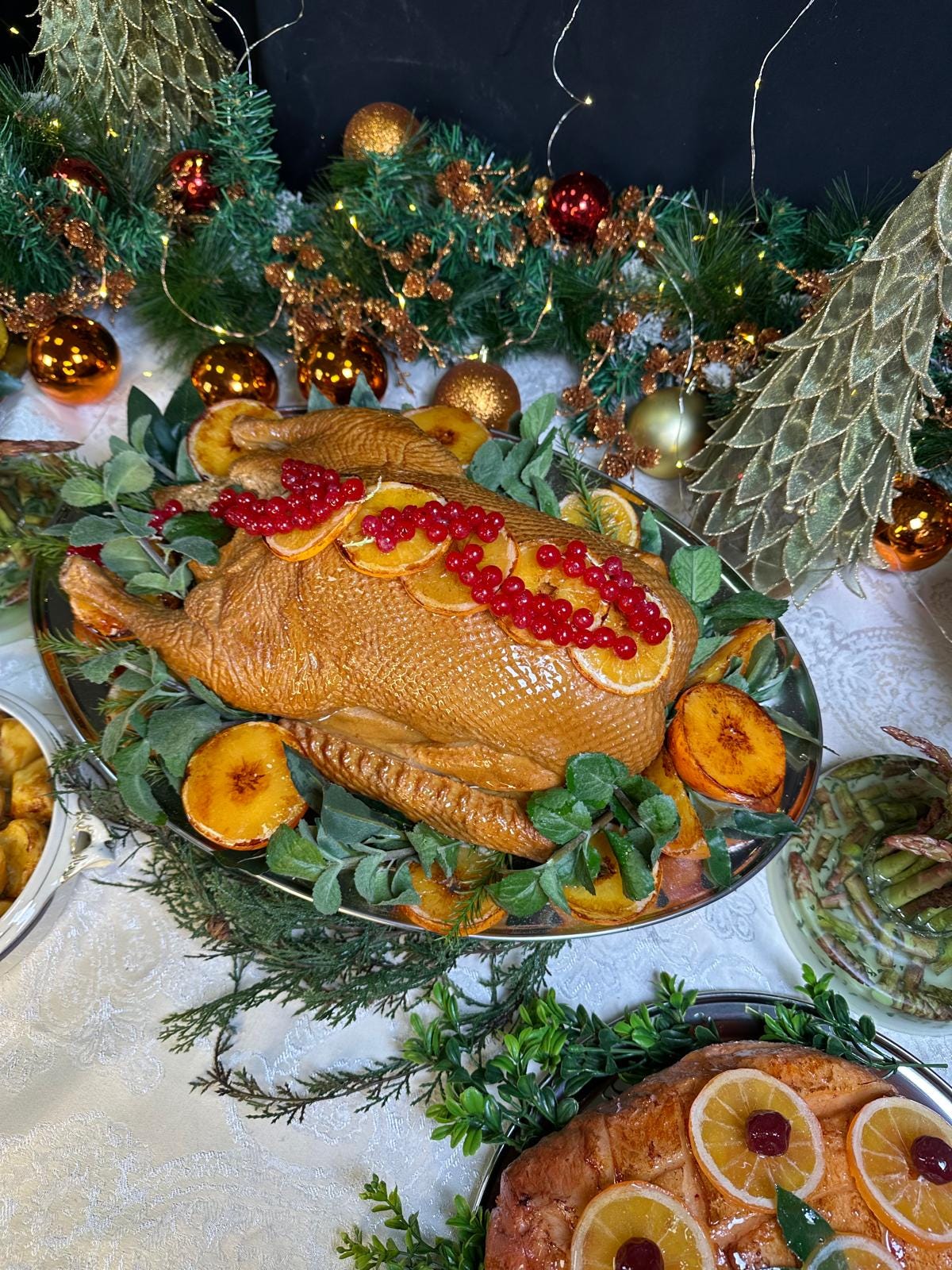
Sometimes a client arrives with a detailed recipe or historical illustration. At other times, the team must undertake extensive research to understand how a particular dish would have been prepared and presented. They described recreating a Ming-dynasty feast in which even the angle and width of the cuts made into fish were historically specified. They also discussed working with original butter stamps, moulds and other kitchen implements to reconstruct foods associated with particular households.
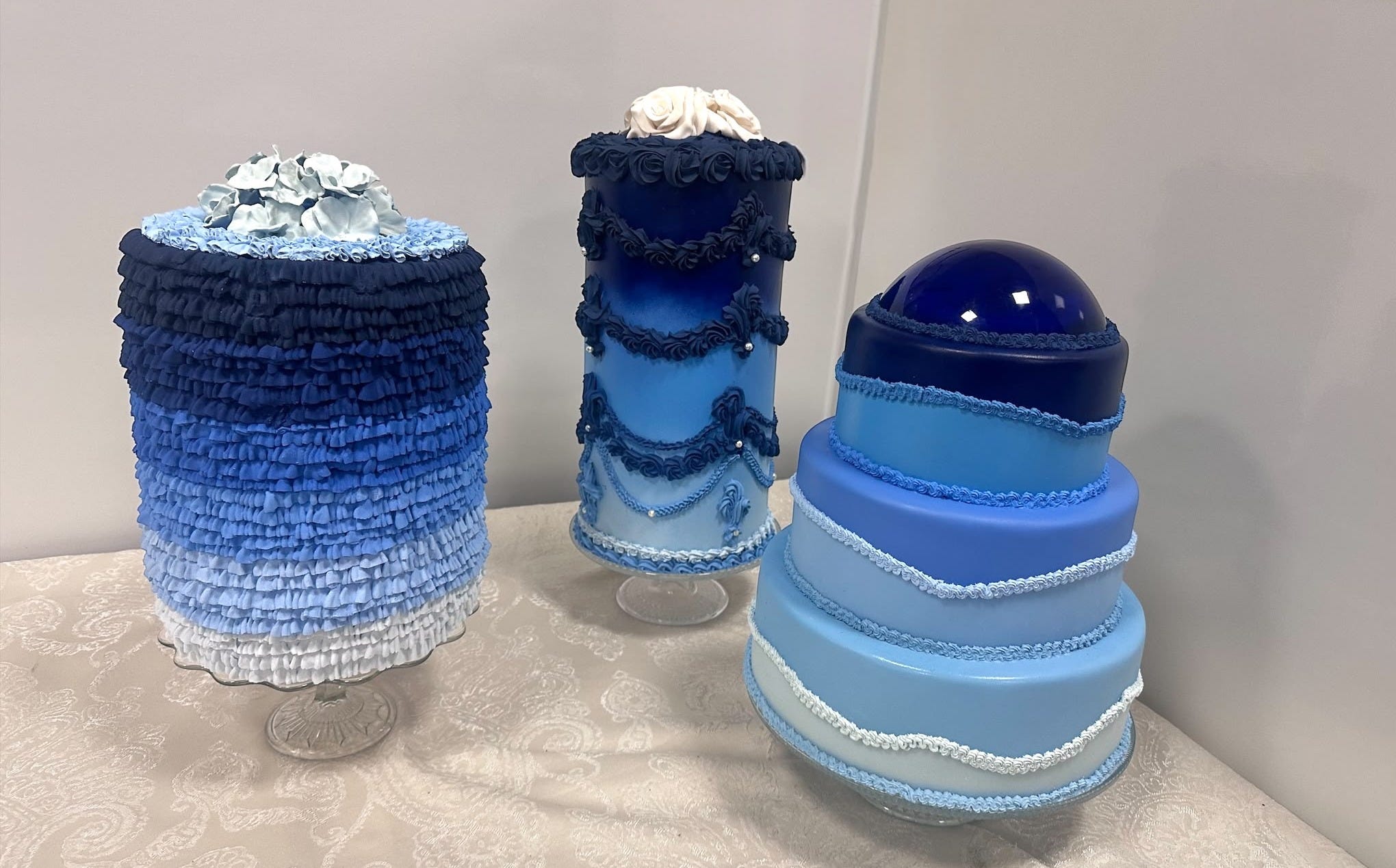
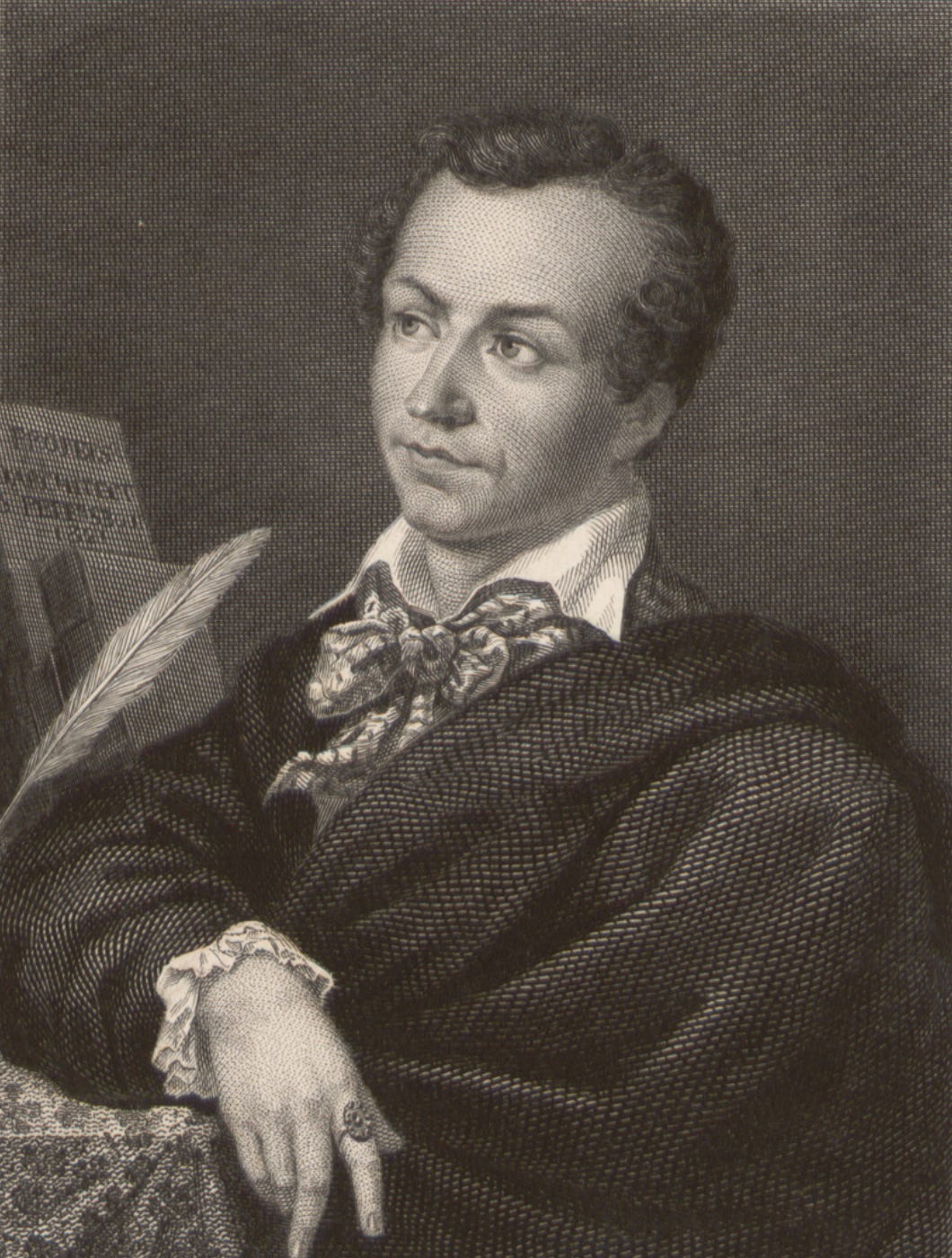
I found their comments about historical culinary illustrations especially interesting. The elaborate creations associated with chefs such as Marie-Antoine Carême and Charles Elmé Francatelli could be astonishingly architectural, with confectionery structures that sometimes seem to defy gravity
Reconstructing such objects requires considerable historical knowledge, technical ingenuity and a willingness to experiment.
The art of illusion
One of my favourite moments in the conversation came when we discussed what actually makes an artificial food object look convincing. The answer, perhaps surprisingly, is often light and translucency. Consider a slice of cucumber or a wedge of lemon. We tend to recognise these objects instantly, but reproducing them involves understanding the subtle relationship between colour, depth, texture and light. A lemon is composed of skin, pith, translucent flesh and seeds, each with different visual qualities. The same applies to the seemingly simplest foods.
Loraine and Christina explained how painstakingly they study these details, and how important it is to recreate the way light passes through different layers. Sometimes the most difficult objects to reproduce are the ones we take for granted. A cluster of redcurrants, for instance, requires extraordinarily delicate stalks and individual berries that must behave convincingly. Even recreating the eye of a fish involves painting multiple layers in reverse inside a mould to achieve the correct depth and appearance.
Then there is the extraordinary moment when someone encounters one of these creations and instinctively reaches out to touch it. Loraine and Christina told me about visitors attempting to pick up cups of replica tea, and the amusing necessity of polishing fingerprints off the surface afterwards. There is something deeply satisfying about that moment of deception, when our expectations of food are suddenly disrupted. I would absolutely love to be a fly on the wall and witness one of these encounters!
When food becomes uncanny
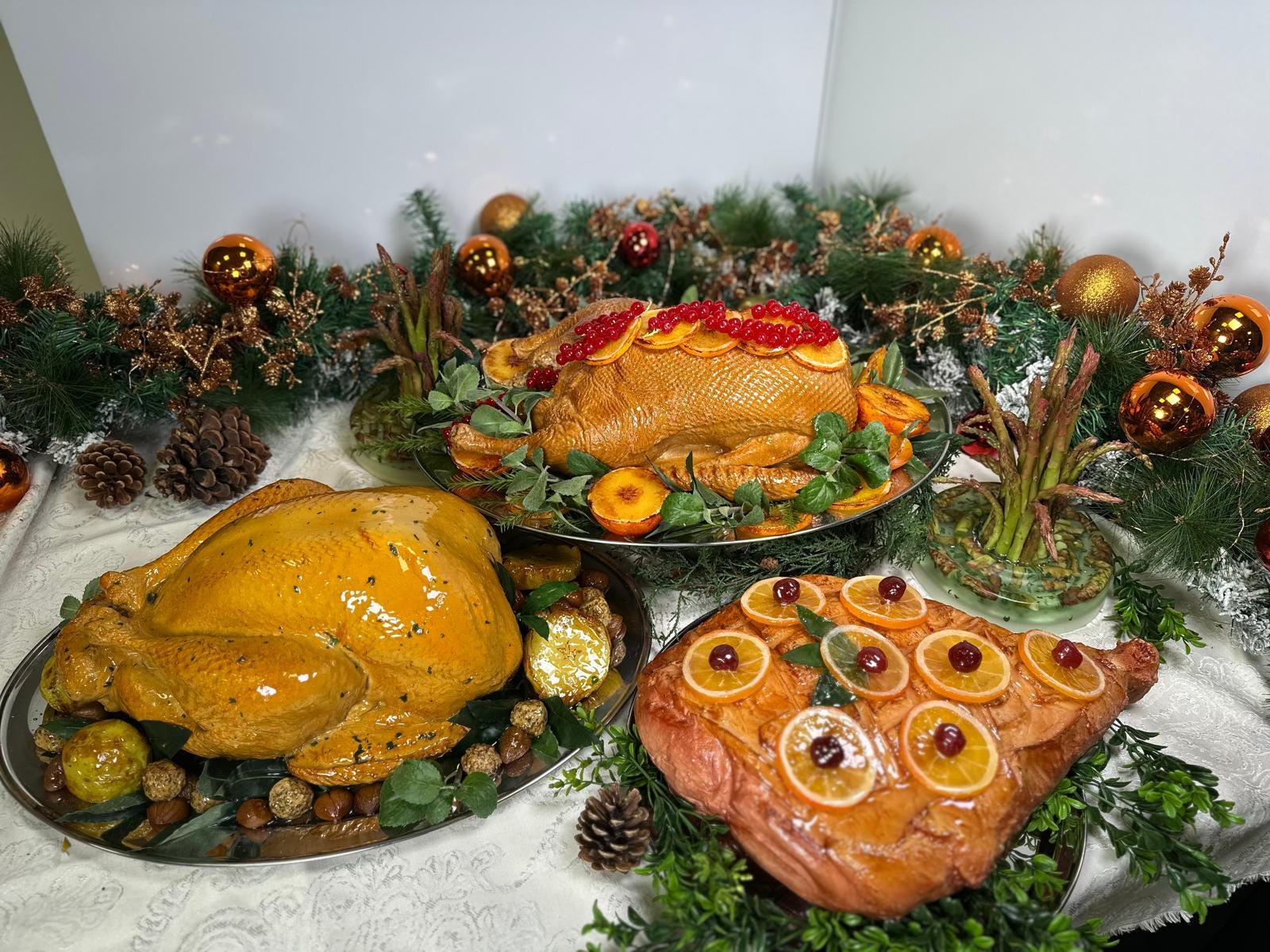
Naturally, I couldn’t resist exploring the darker possibilities of their work.What happens when food looks almost right, but something is subtly wrong? Replica has created mouldy fruit, spoiled dishes and food showing the first signs of decay, including roast chicken with an unsettling greenish tinge. These objects occupy a fascinating territory between recognition and revulsion. Our brains are exceptionally good at recognising food and assessing whether something appears appetising, fresh or potentially dangerous. A slight alteration in colour, texture or translucency can transform a familiar object into something disturbing.For someone interested in the Gothic, this raises all sorts of questions about the relationship between appearance, appetite and disgust. There is also something paradoxical about replica food itself.
Real food disappears: it is either eaten, spoiled or reduced to waste, while an artificial version may survive almost indefinitely. In this sense, Replica’s creations offer a curious form of preservation. They allow us to encounter the visual presence of foods that history might otherwise have lost. As Loraine and Christina explained, their work can help freeze a moment in time.
From Hampton Court to New York
Replica’s extraordinary work extends across museums, historic houses, film and television, with projects involving Warner Bros., Netflix and productions such as Bridgerton. Among the projects we discussed were commissions associated with Hampton Court Palace and an elaborate confectionery installation created for the Metropolitan Museum of Art in New York. The latter involved a spectacular Napoleonic-inspired structure featuring madeleines, glacé fruits, macarons, decorative icing and a sculpted jelly emblem. I loved hearing about the excitement of watching such a complicated creation come together, particularly those final moments when all the individual elements are assembled and the full effect is revealed. Their work across heritage sites and screen productions also demonstrates why artificial food can be so useful. Film and television require continuity between takes, while museums need displays that can withstand extended periods without deteriorating. Replica food offers a way of recreating the appearance of perishable objects while avoiding many of the practical difficulties associated with real ingredients.
A feast for the imagination
Towards the end of our conversation, I asked Loraine and Christina what historical meal or banquet they would recreate if they had no practical limitations whatsoever. Christina immediately imagined an extravagant Tudor feast, complete with peacocks, rabbits, oysters, roasting spits and all the theatrical spectacle associated with royal entertaining. Loraine, meanwhile, was drawn to the extraordinary confectionery architecture of Carême and Francatelli, with their elaborate structures, sculptural desserts and seemingly impossible decorative constructions.
Both answers revealed something fundamental about Replica’s work: the delight they take in the relationship between history, craftsmanship and imagination. And I must admit, I would love to see either of those feasts recreated in full. Although, of course, nobody would be allowed to eat anything!
Replica at Serve It Forth Food History Festival
I am also delighted that Replica Ltd is sponsoring Serve It Forth Food History Festival 2026, taking place online on Saturday 17 October, from 10.30 am to 4.30 pm UK time.
The festival brings together food historians, writers, researchers and enthusiasts for a day devoted to the extraordinary stories behind what we eat. During our conversation, Loraine and Christina spoke about how much they value being part of the food-history community, sharing knowledge and contributing to the preservation of culinary heritage. Their enthusiasm was infectious, and I couldn’t think of a more fitting supporter for an event dedicated to bringing food history to life.
Please come along and join us! I’ll be hosting a session with the inspiring Paul Couchman , exploring food, travel and dining in the Regency. My fellow festival hosts, Dr Neil Buttery, Thomas Ntinas and Sam Bilton , will also be joining me throughout the day as we welcome a wonderful line-up of speakers for a celebration of food history.
You can find the festival programme and further details at Serve It Forth Food History Festival.
The full conversation with Loraine Senior and Christina Mellett-Smith is available on A Curious Appetite. And there is more to come! A YouTube version of this episode will be available soon, giving you the opportunity to see some of Replica’s extraordinary creations as we discuss them. Believe me, these are objects you really need to see to appreciate fully.
My thanks to Loraine and Christina for such an enjoyable conversation, and to Replica Ltd for generously supporting Serve It Forth Food History Festival.
You can explore more of their work at Replica Ltd.
A Curious Appetite
Exploring food, history, culture and the stranger sides of what we consume.
With thanks to Haints & Hollers Apothecary for supporting the podcast.
Episode artwork: Claudia Del Fiacco
Audio mixing: Thomas Ntinas
Music: Manuel Pino
Photographs courtesy of Replica Ltd.