The Art of Food in Film
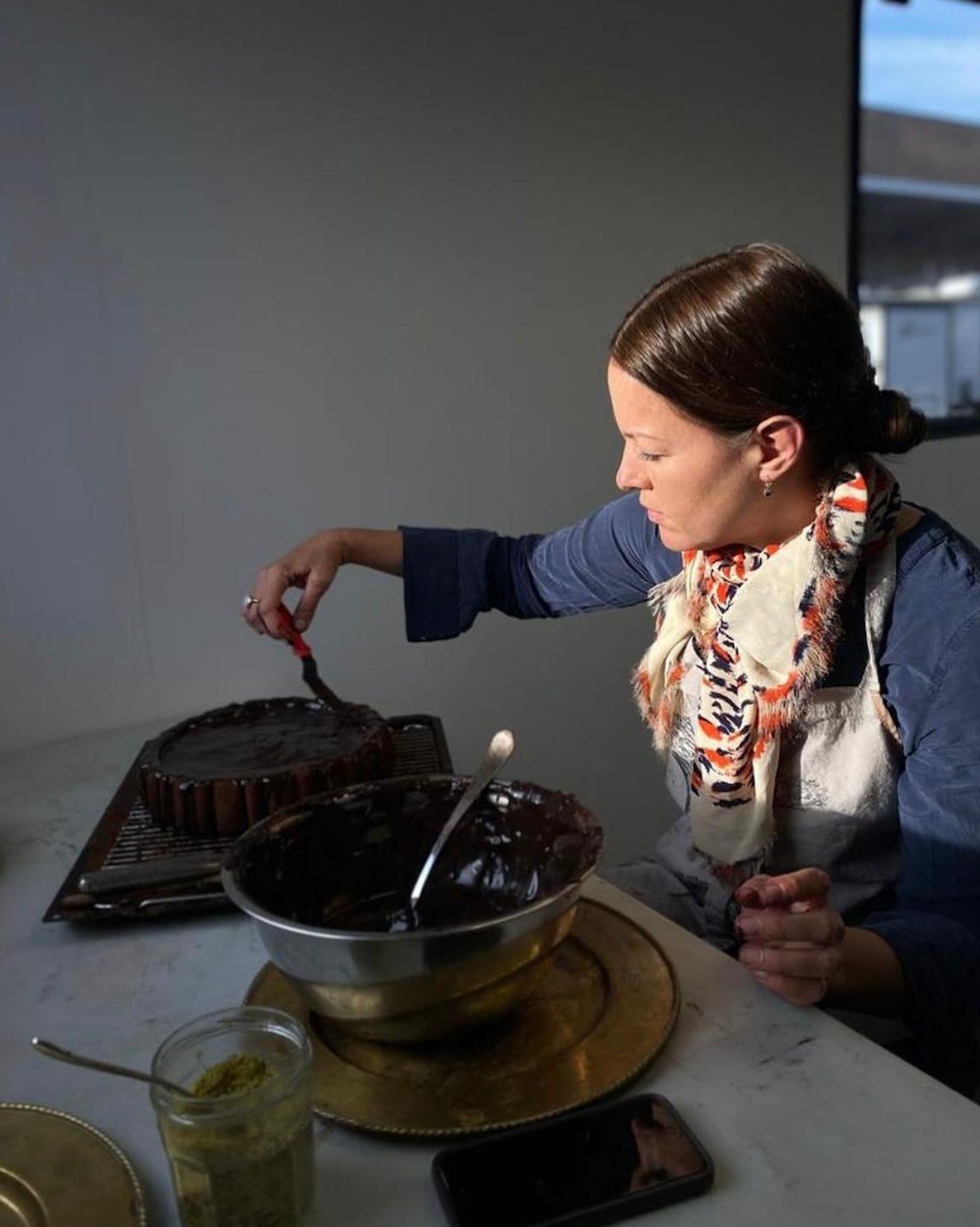
What kind of job requires you to carry knives, toothpicks, pastry brushes, chopping boards, water, glycerine spray, and sometimes half a kitchen in the back of your car?
Food styling.
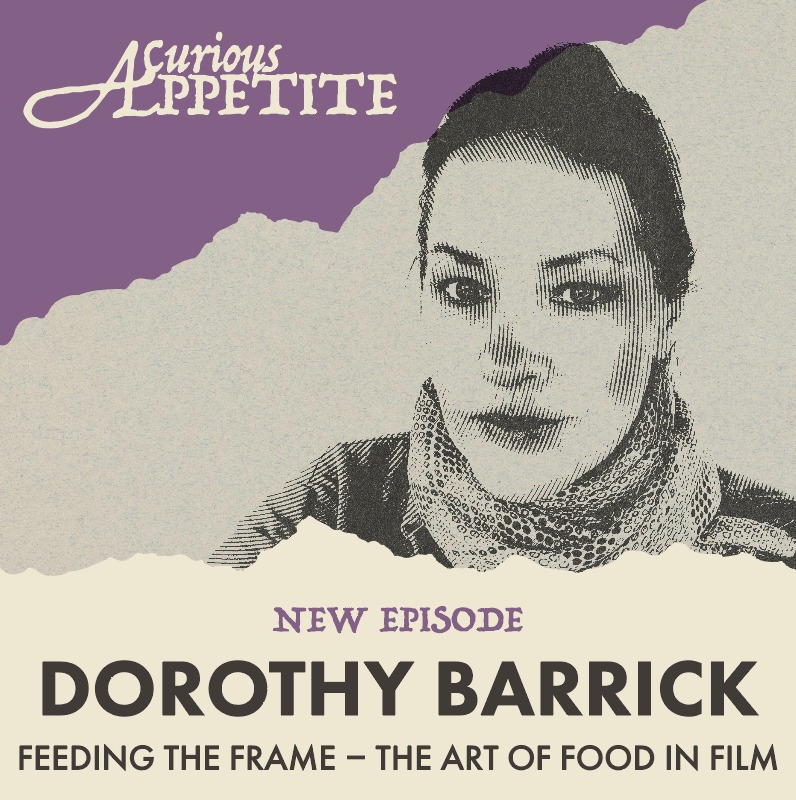
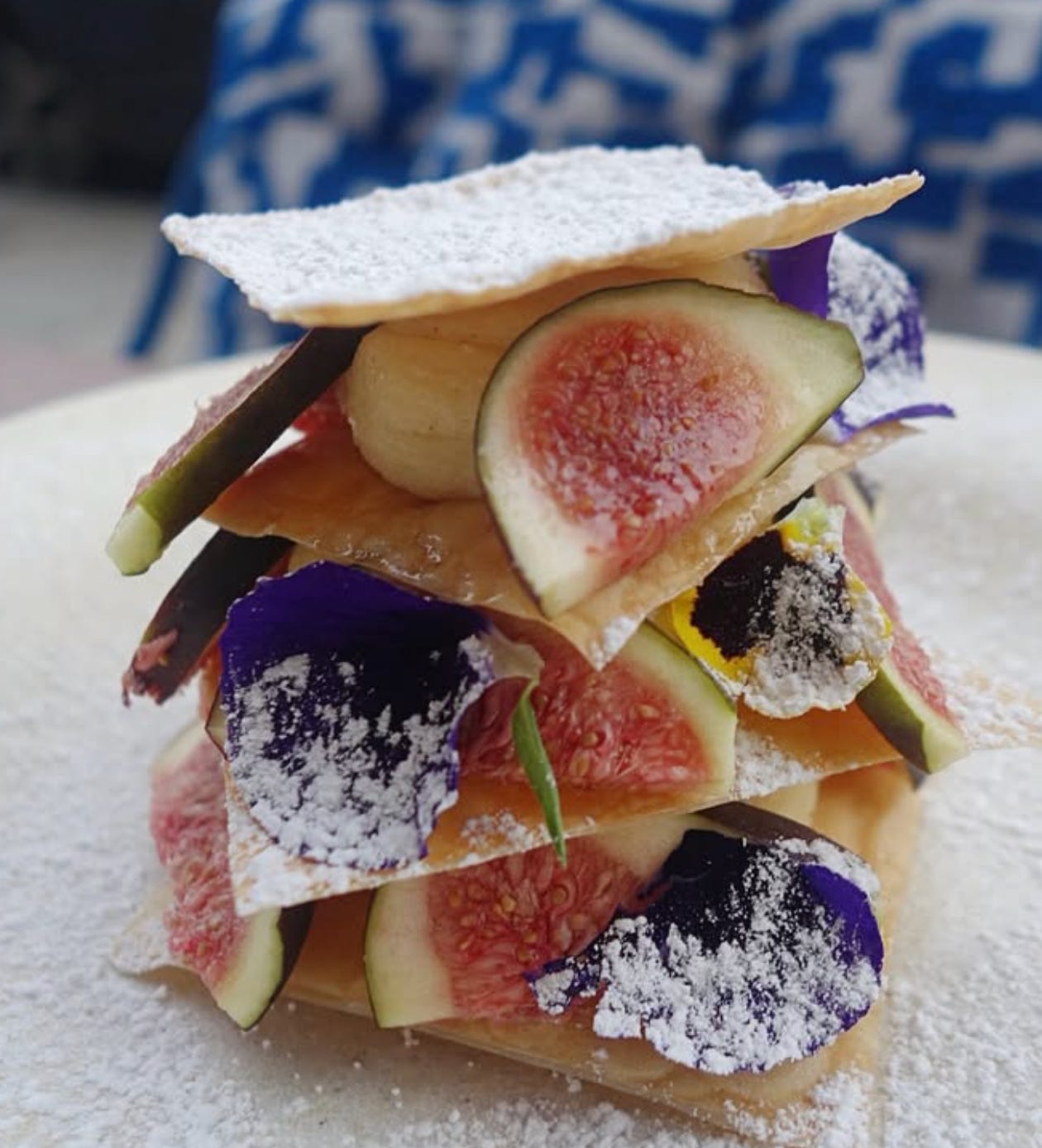
In this episode of A Curious Appetite with Dr Alessandra Pino, I’m joined by Dorothy Barrick, known as Dot, a food stylist and home economist whose work brings food to life on screen in ways that are often invisible, but absolutely essential. You can find her on Instagram and Substack, but be warned: her dishes may make you want to smash your face straight into the screen.
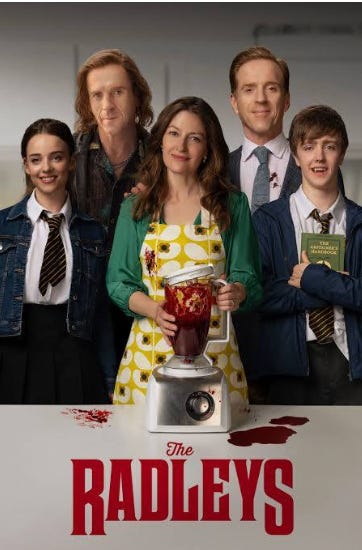
I first came across Dot’s work through The Radleys (2024), a film about vampires, appetite, restraint, and the darkness lurking beneath the surface of domestic life, based on Matt Haig’s 2010 novel of the same name. We first talked after I recorded an episode on the film for Fear Feasts, my food-and-horror podcast co-hosted with Vanessa Baca. What struck me was how much food can shape the emotional tone of a scene. In The Radleys, family meals are designed to project a sense of normality, but in reality they become performances of concealment, hunger, and control. Slight tangent, but Kelly Macdonald is such a phenomenal actress, and one of my favourite things I’ve ever seen her in is Boardwalk Empire, that fantastic series set during Prohibition in Atlantic City, full of corruption, violence, ambition, and beautifully tense performances. The music is also great….I love all of it!
That is what food on screen so often does. It creates atmosphere. It tells us who people are. It reveals what they want, what they hide, and what they cannot say.
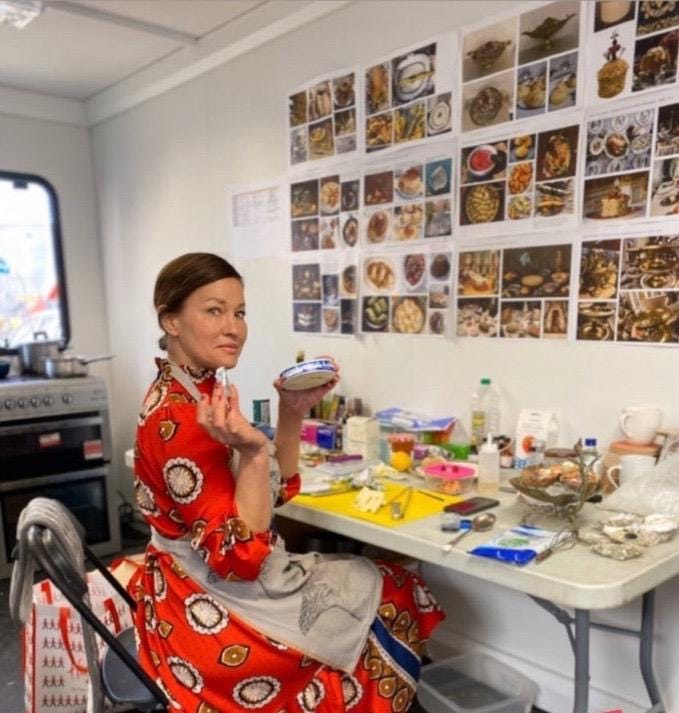
Dot talks about what it really means to work as a food stylist on a film set, from preparing edible props to understanding how food behaves under lights, heat, time pressure, and repetition. A dish might need to look fresh for hours. It might need to be eaten repeatedly by an actor. It might need to appear identical across multiple takes. And sometimes it needs to do something stranger altogether, like ooze, collapse, bleed, or stand in for something else.
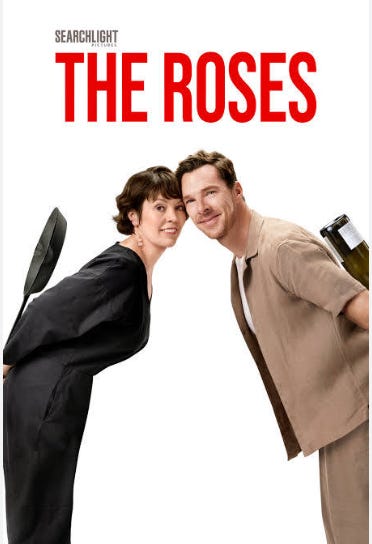
It was fascinating to hear Dot talk about working on The Roses with Olivia Colman and Benedict Cumberbatch, and about the sheer pressure of navigating film sets surrounded by actors, producers, and directors while trying to keep everything visually perfect and camera-ready. There is also a wonderful interview with Dot and Olivia Colman for Cherry Bombe , where you can hear more about the realities and intricacies of the job. Have a listen!
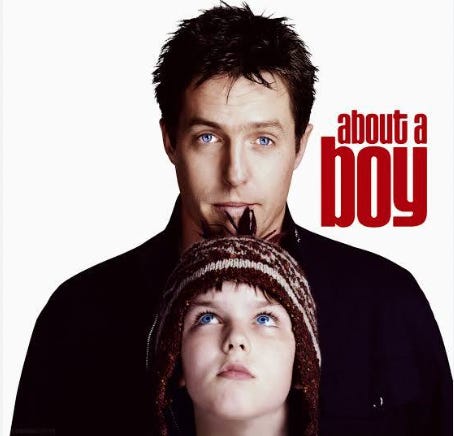
I also loved hearing all the behind-the-scenes anecdotes, including a brilliant one about Nicholas Hoult in The Great (2020), who Dot describes as wonderfully game when it came to eating on set. And yes, if you remember About a Boy… duck, frozen bread, and chaos, you’ll know exactly who I mean, though he was considerably younger there.
We talk about the darker side of food styling too. For horror or uncanny scenes, food can become beautifully grotesque. Cherry pie filling, cooked figs, pomegranate membranes, beetroot, and cooked watermelon can all become part of a stylist’s visual language. Cooked watermelon, Dot explains, can look remarkably like tuna sashimi. Pear can stand in for delicate raw fish. Food, on film, is often both itself and not itself.
There is something genuinely magical about that transformation. The way food can shift from comfort to horror, from realism to illusion, while still remaining strangely believable.
We also discuss continuity, pressure, and the hidden labour behind scenes that might last only seconds on screen. Something as simple as scrambled eggs on toast still has to be planned, prepared, repeated, and kept camera-ready. Larger scenes require a deep understanding not only of cooking, but of filmmaking itself: where the camera starts, where it moves, what the actor eats, what remains on the plate, and what must be reset.
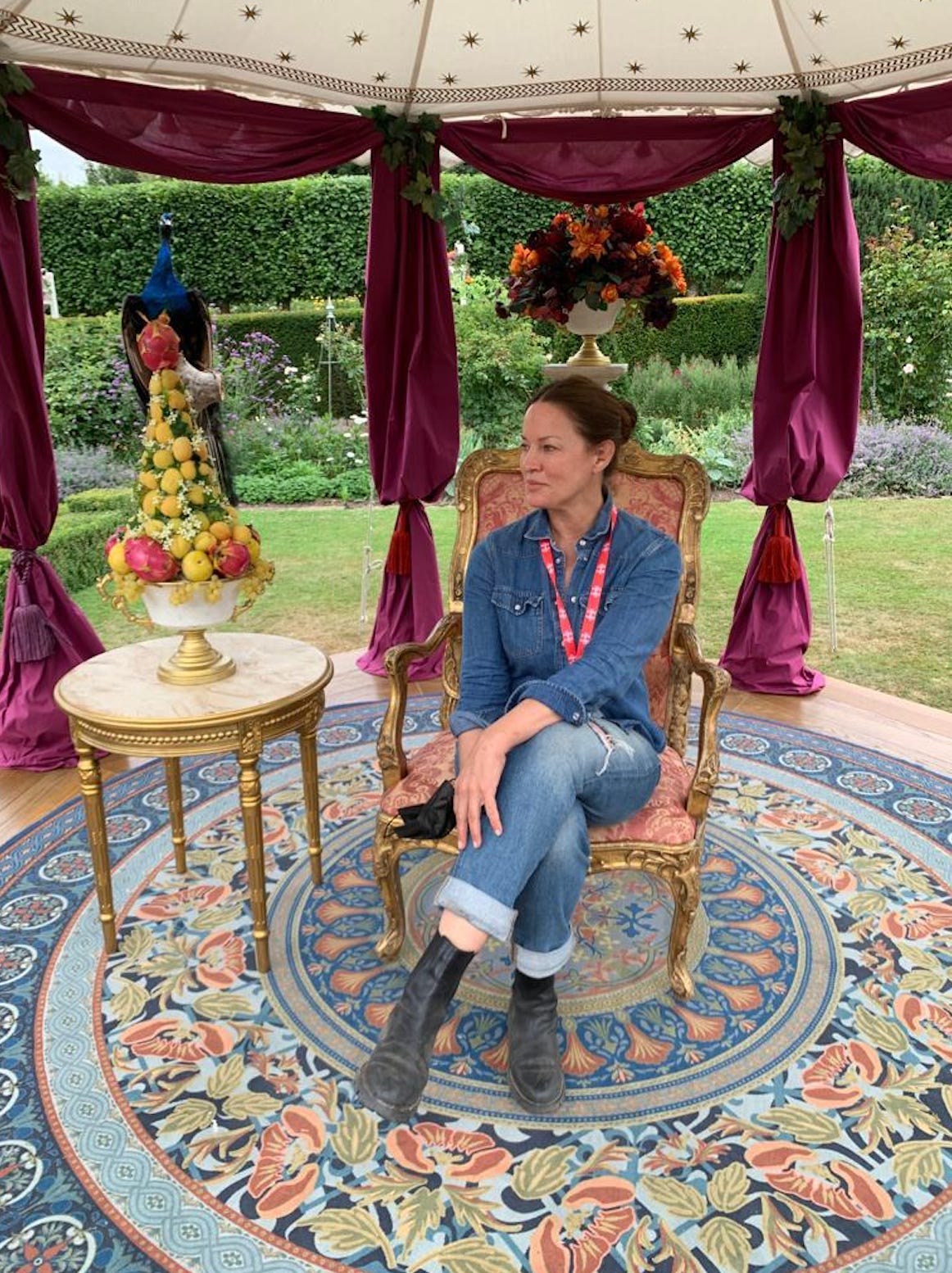
Dot’s background in fashion, print research, accessories, shape, and colour comes through beautifully in the way she thinks about food. Food styling is visual storytelling. It is design, craft, problem-solving, and performance all at once.
We also talk about Babette’s Feast(1950), one of the great films about food, grief, memory, and transformation, based on Isak Dinesen’s short story of the same name. And if you haven’t read it, please do. You will not regret it. It is extraordinarily beautiful. For me, Babette’s final meal, while on the surface an act of generosity, contains so much more beneath it. It becomes a reconstruction of a lost world through food, memory, and ritual. Dot reflects on the meditative and therapeutic power of cooking, especially baking, and how repetitive, intricate tasks like pie-making and working with pastry can help us sit with ourselves and work through difficult moments.
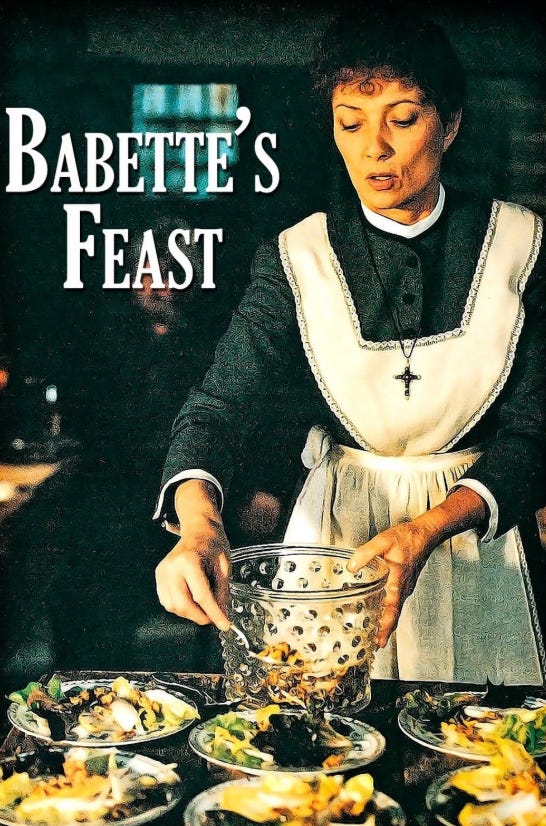
Food in this context is, of course, something that needs to be arranged for the camera, but it also becomes memory, care, survival, and release. I’ll be doing a deep dive into the food in Babette’s Feast next week here on Substack, as it connects closely to ideas I’ve been developing around my original concept of “dark food”, first published in the The Palgrave Handbook of Literary Memory Studies: the ways food can carry grief, longing, transformation, and emotional intensity beneath the surface of nourishment and pleasure.
And of course, because this is A Curious Appetite, we end with food memories. Dot talks about childhood casseroles, the horror of beef tongue, and the joy of seafood, oysters, whelks, and a proper plateau de fruits de mer.
This episode is a deep dive into the mysterious, meticulous, and often under-credited world of food on film. Because next time you watch a scene and find yourself thinking “That food looks incredible,” it is worth asking: who made it look that way?
Food stylists may not always be visible, but they absolutely shape what we see, feel, and remember.
You can listen to the full episode of A Curious Appetite with Dr Alessandra Pino, available on all major podcast platforms.