This episode was not sponsored by Greggs.
Although, it begins with a sausage roll.
In this conversation with Richard Crampton-Platt, a former restaurateur turned food writer and content creator whose work explores food history, culture, and the stories we tell about what we eat, we start with something deceptively simple: a new chicken (sausage) roll. A small shift from pork. Slightly disappointing, perhaps. But enough to open up a much bigger question.
What do we actually trust when we eat?
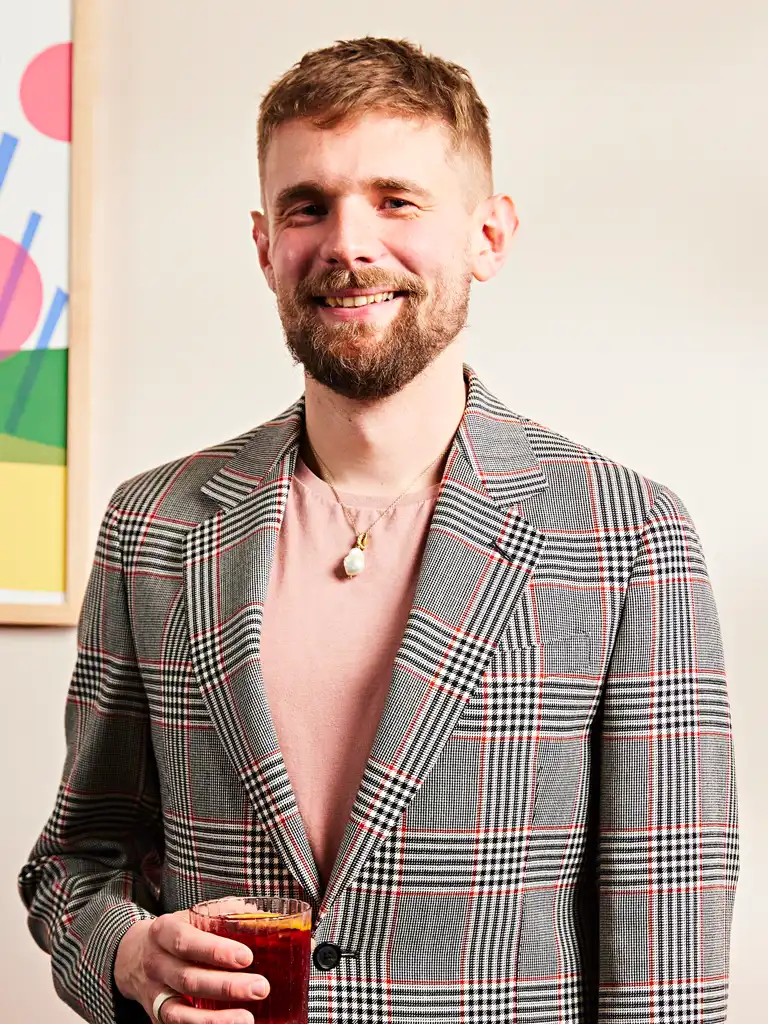
Richard Crampton-Platt
Chicken becomes our thread.
From Greggs to Japan, where raw chicken is served as sushi, what initially feels like a question of taste quickly becomes a question of belief. Of safety. Of cultural conditioning. What one country treats as dangerous, another treats as entirely ordinary.
And so, almost without noticing, we move from fast food to something much deeper.
Food Without Faces
One of the most striking parts of our conversation is the contrast between Britain and Italy when it comes to food culture. In Britain, we are comfortable with distance. Dark kitchens. Delivery apps. Meals arriving from places we never see. Food appears at the door, detached from its origin.
In Italy, that distance still feels unsettling. There is a persistent question: Who made this? Where did it come from? Can I trust it?
It is not just about quality. It is about relationship.
And perhaps that difference comes down to time.
Industrial Time, Disrupted Meals
As Richard reflects, Britain’s early industrialisation fundamentally reshaped how we eat, fragmenting meals and encouraging a more flexible, irregular, and efficiency-driven approach to food. From factory schedules to the invention of afternoon tea, British food culture evolved around interruption and adaptation rather than continuity.
Italy, by contrast, industrialised later and retained a stronger attachment to structure, with meals still anchored to specific times, rituals, and expectations. This is not simply nostalgia, but the result of a different historical trajectory, where the rupture came later and continues to shape how people eat today.
“Food becomes a problem to solve, just another practicality to put time into a calendar.”
Inside the System
During the COVID-19 pandemic, Richard worked as a courier for Bocca di Lupo.
What he encountered was not just a logistical system, but a way of living.
Doors opening briefly.
Food exchanged without contact.
Lives glimpsed only in fragments.
It revealed something quietly unsettling: how easily food can become transactional. Detached not just from its maker, but from any shared experience.
Food, arriving without the story that once came with it.
Stories We Tell Ourselves
And yet, we still rely on stories to make sense of what we eat.
Take pizza margherita. Often told as a neat origin story tied to Queen Margherita, a symbol of national unity and purity. But like many food histories, it is unstable. Part myth, part reconstruction.
Fellini and the Uncanny Table
At one point, our conversation turns to Fellini’s Satyricon.
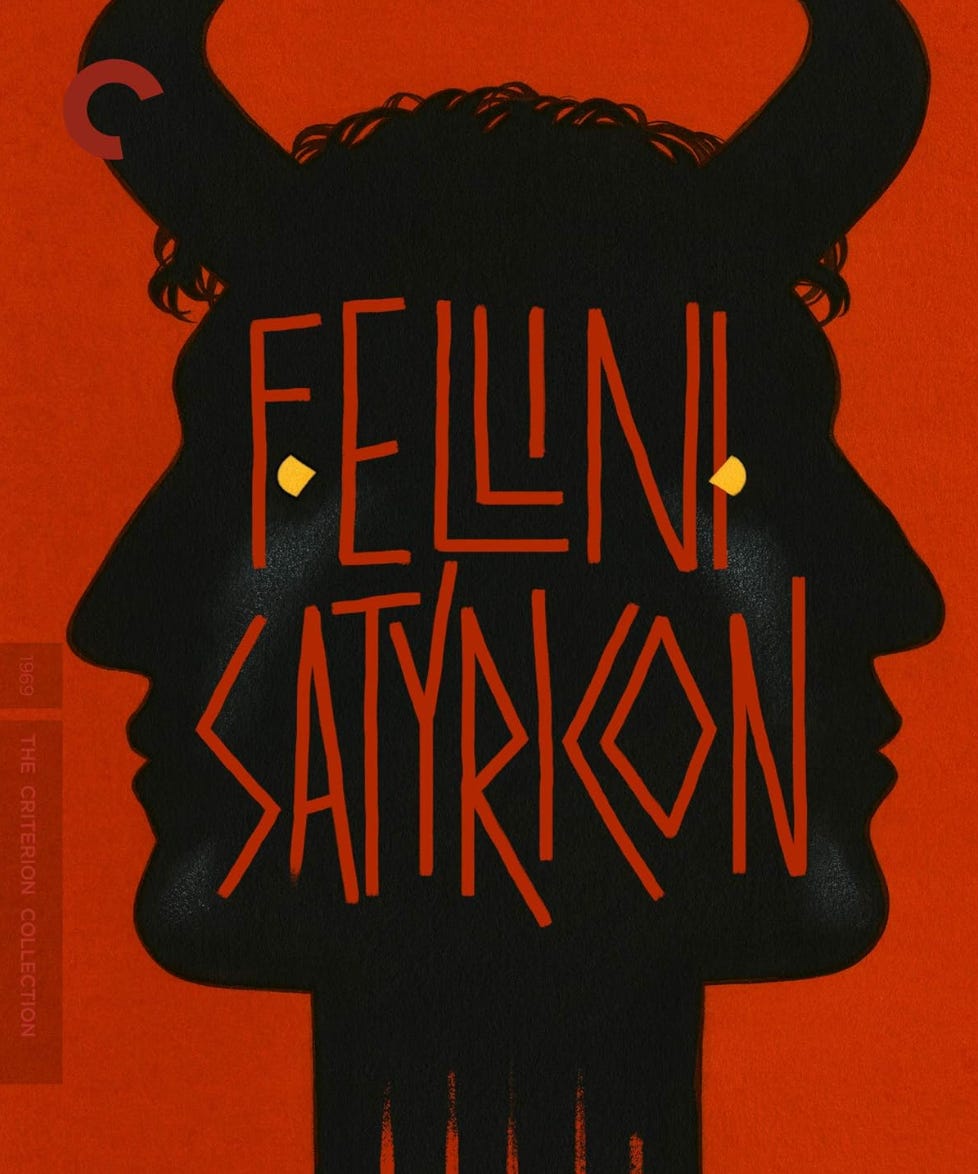
A film where food is exaggerated, distorted, grotesque.
Bodies consume endlessly.
Textures clash.
Pleasure becomes overwhelming.
It feels wrong. And that is precisely the point.
Because food, when pushed too far, reveals something we would rather not confront: that eating is intimate. That it crosses a boundary.
Richard draws attention to this idea, central to Gothic food of course, that we do not take art or music into our bodies. Food is different. And that difference carries a certain unease.
Authenticity Is a Moving Target
Few dishes capture this better than carbonara.
At Café Britaly, co-owned by Richard, one of the restaurant’s defining dishes was a version with cream and a fried egg. A deliberate provocation, perhaps. But also an honest reflection of how people actually cook and eat.
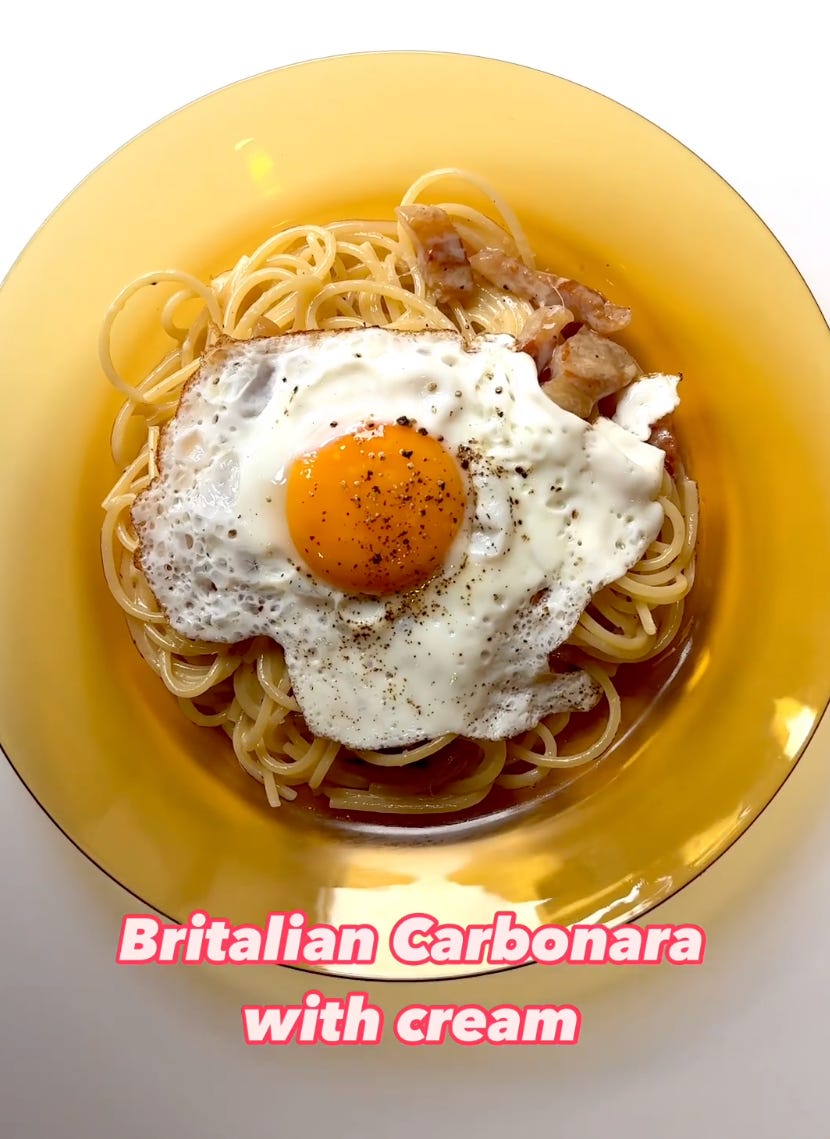
Café Britaly’s Carbonara
Because the truth is simple: carbonara has never been stable. Recipes have shifted for decades, with cream appearing and disappearing, and ingredients changing according to availability, taste, and context. In this sense, authenticity is not a fixed origin, but something collectively negotiated, an agreement rather than a point of beginning.
Food as Process, Not Product
This becomes even clearer in some of the more unexpected examples, like the kinds of improvised curries made by migrant communities working with limited ingredients, sometimes resulting in combinations as unlikely as banana and rabbit. French chefs historically smuggling produce across borders to recreate familiar dishes. British Italian cafés reshaping entire high streets after the Second World War.
These are not deviations, but part of the process itself. What Richard calls a “food journey” is not about arriving at authenticity, but about the act of trying, adapting, and making do.
Unexpectedly, the conversation returns, again and again, to Bovril. What begins as a simple reference unfolds into something richer, tied to childhood memory, ritual, and comfort. From Arctic expeditions to toast at home, it becomes more than food, a shared moment, a point of connection.
Here, we also touch on Claude Lévi-Strauss’s culinary triangle, and the particular meaning of boiling. Broth, in this sense, is not just a method of cooking, but a cultural gesture, something that brings people together, that transforms and softens, that creates a shared space through food.
It is a reminder that even in extreme conditions, food becomes more than sustenance, offering structure and meaning.
I will be doing a deeper dive into Bovril for paid subscribers later this week, drawing on research from the archives of the Natural History Museum, alongside a look at pemmican and its own history of survival, preservation, and endurance.

“Bovril pemmican”, Natural History Museum collection. Photograph by Alessandra Pino.
The Gothic Undercurrent
Without quite naming it, something emerges that sits at the heart of this podcast.
That food is one of the few things we willingly place inside our bodies.
That act requires trust.
And trust is never neutral.
Whether it is a sausage roll, a takeaway, or a carefully prepared meal, eating always involves a quiet negotiation between desire and doubt. In this sense, food sits very close to what Julia Kristeva describes as the abject, something that both attracts and repels, that crosses boundaries and unsettles the self. At the same time, it sharpens Mary Douglas’s argument in Purity and Danger: that dirt is not an inherent property, but “matter out of place,” and that edibility itself is a cultural system of classification. What we accept as food depends on whether it fits within those structures, whether it remains in its proper place.
Food unsettles this order. It is, quite literally, matter out of place.
It moves from outside to inside, from object to body, collapsing the very boundaries that Douglas insists cultures work so hard to maintain. In doing so, it carries the promise of pleasure, but also the risk of contamination, discomfort, even disgust.
This is where Gothic food begins to emerge, not only in excess or spectacle, but in that fragile moment of crossing. The bite, the swallow, the act of incorporation. What we take in is never entirely safe, and never entirely known.
From Greggs to raw chicken sushi.
From Mussolini’s rural mythologies to London delivery culture.
From carbonara to Bovril.
This episode is about more than food.
It is about what we accept.
What we question.
And what we allow inside ourselves.